Air freight is often viewed as a premium solution for shipping goods worldwide. But why does air freight cost more than sea freight? According to the latest industry report from the International Air Transport Association (IATA), air freight rates are significantly higher, averaging around $4.50 per kilogram, compared to sea freight, which is typically priced at just $0.10 per kilogram.
Expert in logistics, Dr. Emily Thornton, notes, "The speed of air transport comes with a price, and that price is evident in the operational costs." This reflects the intricate design of air logistics, where fast delivery becomes a priority. Air cargo involves higher costs due to fuel prices, aircraft maintenance, and airport fees, all contributing to the elevated tariffs.
Moreover, the demand for rapid transit influences prices. Limited cargo capacity in aircraft means higher costs when there is significant consumer demand. Yet, while air freight offers speed and reliability, it can be risky to rely solely on this mode. Rates can fluctuate, and capacity constraints often lead to unexpected pricing spikes. The equation of speed versus cost continues to challenge businesses, prompting a deep dive into the reasons behind the elevated air freight expenses.
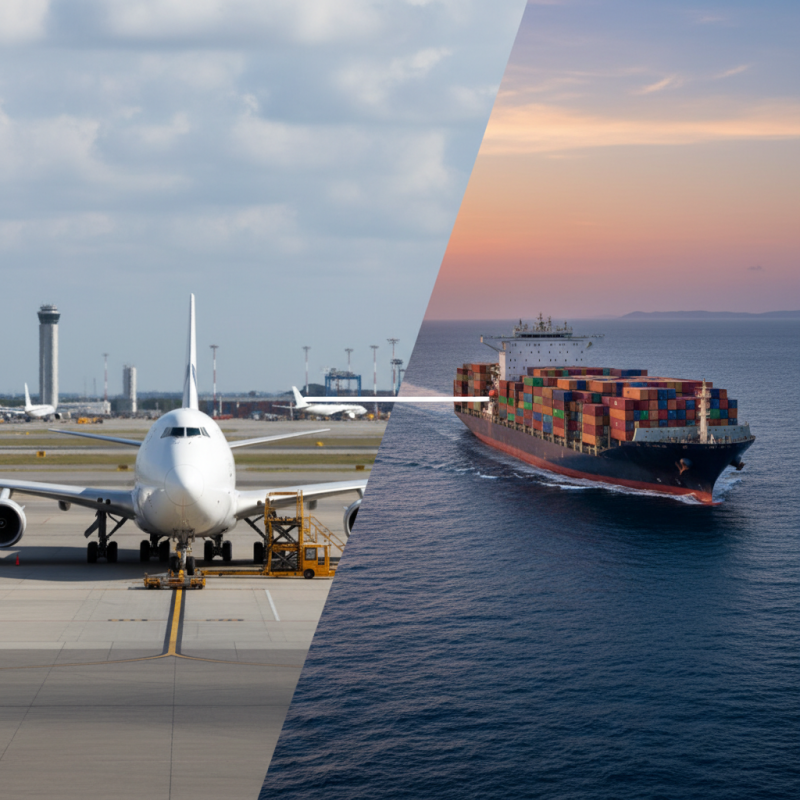
Air freight offers unmatched speed compared to sea freight, which is a significant reason for its higher cost. Businesses often rely on air cargo for time-sensitive shipments. According to the International Air Transport Association (IATA), air freight typically reduces transport time to just a few days. In contrast, sea freight can require weeks. This quick turnaround is essential for industries like fashion and electronics, where trends change rapidly.
However, speed comes at a cost. The World Bank estimates that air freight rates can be six to eight times higher than sea freight. While sea shipments can take 20-30 days to reach their destination, air freight can deliver goods in 1-5 days. For perishable goods, such as fresh produce, air transport is essential. It retains product quality and reduces spoilage.
Despite the advantages, air freight is not always the best option. Companies must evaluate shipping needs against costs. Smaller businesses may struggle with the higher expenses. The decision to use air freight requires careful consideration of delivery timelines and budget constraints. Balancing speed and cost is crucial for effective logistics management.
| Criteria | Air Freight | Sea Freight |
|---|---|---|
| Transportation Speed | 1-3 days | 10-30 days |
| Cost per kg | $5 - $20 | $0.10 - $2 |
| Capacity | Up to 100 tons | Up to 20,000 tons |
| Environmental Impact | High | Low |
| Best For | Urgent shipments | Bulk shipments |
Air freight often comes with a hefty price tag compared to sea freight. This discrepancy largely stems from the intricate cost structure that underpins air transportation. One significant factor is the speed of delivery. Air freight can move goods halfway around the world in a matter of hours, which is crucial for time-sensitive shipments. However, this speed comes at a premium, largely due to fuel costs, airport fees, and aircraft maintenance.
Another aspect to consider is the limited cargo capacity of aircraft. Planes can carry significantly less cargo than large container ships. This limitation can lead to increased costs per unit. Additionally, air freight often requires specialized handling and security measures. These extra layers of service contribute to higher overall expenses. It’s essential to weigh these factors carefully when deciding between air and sea freight. Some may find the extra costs of air freight justifiable for urgent needs. Others might reflect on the cost-effectiveness of slower options.
Fuel prices greatly affect the cost of air and sea freight. Air freight relies on jet fuel, which is more expensive than the fuel used for maritime shipping. Aircraft consume large amounts of fuel, especially during takeoff and landing. This results in higher operational costs for air cargo.
In contrast, ships are more fuel-efficient for transporting goods over long distances. They carry substantial cargo loads, spreading fuel costs over many items. When fuel prices rise, air freight becomes significantly more expensive. Companies often weigh urgency against costs when choosing between air and sea shipping.
Shippers face challenging decisions. Fast air freight may save time but comes with a hefty price tag. Meanwhile, slower sea freight can cut costs, yet it delays delivery. Evaluating priorities is crucial for businesses. Balancing cost and speed is never straightforward. Each option has its trade-offs, requiring careful planning and foresight.
When considering air freight versus sea freight, capacity and volume limitations play a significant role. Air freight offers speed, but it comes with restrictions. The International Air Transport Association (IATA) notes that the average cargo aircraft can carry about 100 tons. This limitation leads to higher costs when transporting bulky items. In comparison, a Panamax container ship can transport over 65,000 tons, spreading costs across a much larger volume.
Cargo size heavily influences pricing. A large shipment in a small cargo space results in wasted capacity. This is often seen in perishable goods, which have tight timelines. Additionally, air freight requires specialized handling and packaging. The need for temperature control adds complexity and expense. According to a 2023 report from the World Bank, air freight can be three to five times more expensive than sea freight for similar volumes, reinforcing the impact of these limitations.
Moreover, the frequency of flights can create bottlenecks. Frequent flights result in congestion at airports, potentially driving up costs due to delays. Coupling this with limited cargo space means that companies may face challenges in efficient supply management. These factors illustrate the inherent complexities and economic pressures within air freight logistics.
Air freight significantly exceeds the cost of sea freight, primarily due to speed and efficiency. According to the International Air Transport Association (IATA), air freight rates can be up to six times higher than sea rates. This disparity arises from the faster delivery time, which is crucial for time-sensitive goods. For instance, perishable items, such as fresh produce, require rapid transit. Air freight can cut shipping time from weeks to mere days, ensuring freshness and quality.
However, the trade-off between speed and cost is substantial. Sea freight is more economical, often favored for bulk shipments. Logistics experts assert that nearly 90% of global cargo is transported by sea. Despite the slower speed, it allows businesses to save money, especially for non-perishable items. Companies must weigh the costs against urgency carefully. In many cases, firms undervalue the cost-saving advantages of sea freight.
Additionally, the environmental impact of air freight is considerable. Air transport contributes around 10% of global transportation emissions, compared to 2% from shipping. This raises questions about sustainability in logistics decisions. Companies are increasingly reflecting on their choices, balancing the need for speed against environmental responsibility and cost-effectiveness. The complexity of logistics requires ongoing examination and adjustment.
: Fuel prices significantly influence air and sea freight costs. Air freight relies on expensive jet fuel.
Air freight rates can be six times higher. The speed and efficiency come with a hefty price tag.
Air cargo typically carries about 100 tons. This capacity impacts costs, especially for bulky shipments.
Large shipments in small air cargo spaces lead to wasted capacity. Pricing varies greatly based on cargo size.
Companies must choose between fast air freight and economical sea freight. Balancing cost and speed is challenging.
Air transport accounts for about 10% of global emissions. Shipping contributes only 2%, raising sustainability concerns.
Many firms focus on speed over cost savings. Sea freight often offers significant savings for non-perishable items.
Congestion at airports can drive up costs. Limited cargo space often complicates efficient supply management.
Perishable goods need fast transit, favoring air freight. Non-perishables allow for more economical sea shipping.
Ongoing evaluation is necessary to balance cost, speed, and environmental impact. Reflection on logistics choices is crucial.
The question of "Why does air freight cost more than sea freight" can be understood through several key factors. Firstly, the transportation speed of air freight is significantly higher than that of sea freight, making it a preferred option for time-sensitive shipments. However, this rapid delivery comes at a premium price.
Additionally, the cost structure of air freight includes higher operational costs driven by fuel prices and maintenance of aircraft, which contribute to elevated shipping expenses. Air freight also faces capacity and volume limitations, as planes can carry less cargo compared to ships. These considerations lead to essential trade-offs between speed and cost, where businesses must assess their logistical needs to determine the most effective shipping method for their purposes.
LG Logistics