Best Sea Freight Times for International Shipments How Long?

Time:2026-05-05 Author:Liam
0%

Shipping goods internationally can be complex. One key question arises: How long does sea freight take for international shipments? According to industry expert Mark Johnson of Global Shipping Solutions, "The average timeframe often varies by route and season." This insight reflects the challenges faced by businesses today.

Understanding sea freight timelines is essential for logistics planning. Factors such as distance, weather, and port congestion can affect delivery times. For instance, a shipment from China to the U.S. could take anywhere from 15 to 45 days. This wide range can be frustrating for companies. They must adapt their supply chains accordingly.

Moreover, many underestimate the importance of detailed shipping schedules. Knowing the expected timeframes enables better inventory management. However, unforeseen delays still occur. It's crucial to remain flexible and prepared for changes. In this ever-evolving trade environment, accurate information is paramount for success.
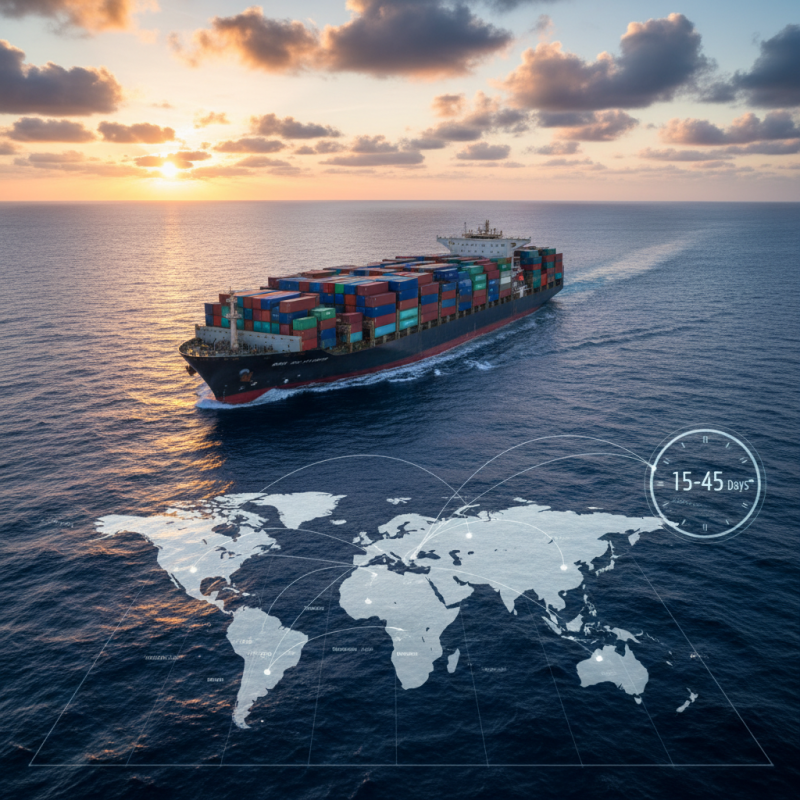
Best Sea Freight Times for International Shipments How Long?

Understanding Sea Freight: An Overview of International Shipping

Sea freight is a critical component of international shipping. It provides a cost-effective solution for transporting large quantities of goods across oceans. Understanding the basics of sea freight can help businesses and individuals navigate the complexities involved.

Shipping times can vary significantly based on various factors. Distance, weather conditions, and port efficiency all play a role. For example, shipments from Asia to Europe can take several weeks. A longer route, however, may result in delays. It's essential to plan ahead and account for these variables.

Additionally, container availability can impact shipping times. In peak seasons, demand can exceed supply, leading to longer waits. It's wise to stay informed about industry trends. A proactive approach can help avoid unnecessary disruptions. Keeping communication lines open with logistics providers is crucial for timely updates.

Factors Affecting Sea Freight Times for International Shipments

When shipping goods internationally, sea freight times can be influenced by many factors. The distance between ports significantly affects shipping duration. Longer distances naturally result in extended transit times. Weather conditions also play a crucial role. Storms and adverse weather can lead to delays that disrupt schedules.

Port congestion is another common issue. Busy ports may experience bottlenecks, slowing down the loading and unloading process. Customs clearance can add to this delay, particularly if documentation is incomplete. It often requires extra time to resolve issues, which can frustrate shippers.

Vessel speed and route planning are equally important. Some vessels travel faster than others, making timing essential. The chosen route also matters. Shortcuts can save time but may also encounter challenges. It's vital for shippers to communicate with their logistics partners to understand and mitigate these risks.

Best Sea Freight Times for International Shipments

Shipping Route Transit Time (Days) Factors Affecting Time Best Practices
China to USA 14-30 days Port congestion, weather conditions Plan shipments in advance
Germany to Canada 12-25 days Customs clearance, seasonal delays Ensure proper documentation
India to Australia 10-22 days Trade policies, shipping schedules Use reputable freight forwarders
Brazil to UK 15-30 days Port strikes, cargo inspections Check local news for updates
Japan to New Zealand 8-18 days Shipping lane conditions, weather Monitor sea conditions

Average Transit Times for Different Shipping Routes and Destinations

When it comes to sea freight, understanding average transit times is crucial for planning international shipments. Various shipping routes can significantly impact delivery times. For example, shipments from China to the U.S. typically take between 15 to 30 days. This can vary based on the port of departure and the final destination. Transatlantic routes often see similar durations, with shipments between Europe and North America usually requiring around 10 to 20 days.

Tips for optimizing your shipping experience: Monitor seasonal trends. Freight times can increase during peak seasons. Delays often occur due to high demand, so advance planning is essential. Also, consider using multiple shipping routes. Diversifying your options can lead to faster transit times.

Another consideration is documentation. Ensure all paperwork is accurate and filed on time. Missing or incorrect documents can cause unexpected delays at customs. It's a lesson in maintaining attention to detail. Tracking shipments actively can provide timely updates enabling better decision-making. Efficient communication with freight forwarders is vital for navigation through potential hurdles in the logistics chain.

Average Sea Freight Transit Times for International Shipments

This chart illustrates the average transit times for sea freight shipments across various international routes. Understanding these timeframes can help businesses manage their shipping expectations effectively.

Optimizing Shipping Schedules: Tips for Efficient Sea Freight Planning

When planning international sea freight, optimizing shipping schedules is crucial. Start by understanding transit times. Different routes have varied durations. Factors like weather conditions and port congestion also play a role. Some shipments may take weeks, while others might arrive in just a few days. Knowing this variability helps in effective planning.

Communication with freight forwarders is essential. They provide insights on the best shipping schedules. Establishing a good relationship can lead to better options. It’s also wise to factor in holidays and peak seasons. These times can significantly affect shipping speed. Delays can happen due to increased cargo volumes.

Evaluate your cargo's needs. Some goods require faster delivery. Others can afford to wait longer. Flexibility in your shipping strategy can also save costs. Plan for potential delays and setbacks. It's key to keep the supply chain running smoothly. While perfection isn't always achievable, striving for effective planning is the goal.

Impact of Seasonal Variations on Sea Freight Delivery Times

Seasonal variations significantly impact sea freight delivery times, affecting global shipping schedules. According to industry reports, peak seasons like the holiday period can increase shipment delays by up to 25%. Ports become congested, resulting in longer waiting times for containers. For instance, the annual freight rate spikes during the pre-holiday month of October are drastic. Many shippers face difficulties in meeting deadlines due to these variations.

Weather conditions also play a crucial role. For instance, during monsoon or hurricane seasons, rough seas can impede sailing schedules. A report from the International Maritime Organization indicated that unexpected weather-related disruptions can cause delays of two weeks or more. This unpredictability poses challenges for logistics managers, who must adjust plans accordingly. Seasonal factors require careful planning and flexibility in operations.

Furthermore, port operational efficiency can vary. Ports in warmer climates might handle cargo more swiftly than those in colder regions. However, efficiency is not guaranteed. Some ports experience labor shortages or slow custom clearance, leading to delays regardless of the season. Shippers need to remain aware of these dynamics to prevent potential pitfalls in delivery timelines. Understanding these elements can help businesses adapt to the changing landscape of international shipping.

FAQS

: What is sea freight?

: Sea freight is a method of transporting large quantities of goods via ships across oceans.

How do shipping times vary?

Shipping times can depend on distance, weather, and port efficiency. They can last from days to weeks.

What affects container availability?

Peak seasons can lead to high demand, causing container shortages and delays for shipments.

Why is communication with logistics providers important?

Open communication helps receive updates and facilitates timely adjustments to shipping schedules.

What factors cause shipping delays?

Factors include weather conditions, port congestion, and customs clearance issues. These can frustrate shippers.

How can one optimize shipping schedules?

Evaluate transit times, communicate with freight forwarders, and consider holidays or peak seasons for better planning.

What role does vessel speed play?

Different vessels have varying speeds, which influences the overall timing of shipments.

Should all goods be shipped at the same speed?

No. Some items may require faster delivery, while others can wait. Flexibility is key in planning.

Can unexpected delays be avoided entirely?

No. Delays can occur, but planning for setbacks can help keep the supply chain running smoothly.

Is it possible to achieve perfect shipping schedules?

Perfection is hard to attain, but striving for effective planning is essential for success in sea freight.

Conclusion

Sea freight is a crucial method for international shipments, known for its cost-effectiveness and capability to transport large volumes of goods. However, one common question arises: "How long does sea freight take for international shipments?" The answer varies based on several factors, including the shipping route, port congestion, and seasonal variations. Average transit times can differ greatly, with some routes taking only a few weeks while others may extend to several months.

To optimize shipping schedules, businesses should consider these factors and plan accordingly. Utilizing efficient sea freight planning strategies can help mitigate delays and improve delivery reliability. Additionally, understanding the impact of seasonal changes, such as peak shipping times, can further aid in streamlining the process for faster and more efficient international shipments. By staying informed about these elements, businesses can better manage their logistics and customer expectations.

Liam

Liam

Liam is a dedicated marketing professional with a profound expertise in the industry, where he excels at highlighting the unique advantages of our core products. With a keen understanding of market trends and consumer needs, Liam frequently updates our company’s professional blog, providing......