Choosing the right shipping method is crucial for businesses engaging in global sourcing. Air freight has emerged as a preferred option for many companies. Expert logistics consultant, Dr. Sarah Reynolds, emphasizes this choice, stating, “In a fast-paced market, speed and reliability are key.”
Why choose air freight over sea freight? Speed is a primary factor. Air freight delivers goods in days rather than weeks. This is essential for perishable items or high-demand products. Furthermore, the risk of theft or damage is lower in air transport. Quick deliveries enhance inventory management, allowing businesses to respond to market changes rapidly.
However, air freight can be more expensive. Businesses must weigh the cost against the benefits. In some cases, sea freight may still be preferable for bulk items. It’s important to consider both the urgency and cost-effectiveness of each method. Balancing these factors helps businesses make informed decisions.
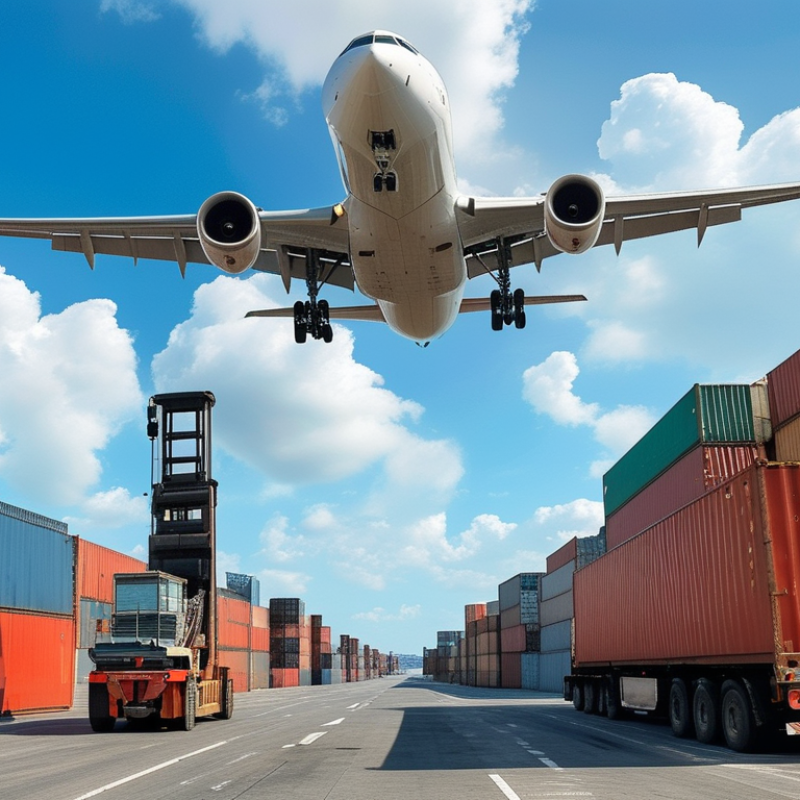
Benefits of Air Freight Compared to Sea Freight for Global Sourcing
Air freight offers several advantages over sea freight, particularly for global sourcing. Speed is one of the biggest benefits. Air cargo can deliver goods in days instead of weeks. This rapid transit can prove crucial for businesses needing quick restocks or time-sensitive shipments. Companies that rely on prompt deliveries can significantly enhance customer satisfaction.
Cost is often a concern when choosing air freight. While it may be more expensive than sea transport, the savings on inventory holding and reduced stockouts can outweigh the initial costs. Air freight is ideal for high-value or low-weight items. The faster turnover reduces the amount of money tied up in inventory.
Reliability and security are additional factors to consider. Air freight has a lower risk of damage or theft due to stringent handling processes. Weather disruptions also typically affect shipping less than sea routes. Yet, it’s important to evaluate the specific needs of each shipment carefully. Every choice comes with trade-offs that require reflection.
Speed and Efficiency: Why Air Freight is Faster than Sea Freight
Air freight is increasingly becoming the preferred choice for businesses engaged in global sourcing. The primary reason is speed. Cargo transported by air can reach its destination in hours, unlike sea freight, which can take weeks. Companies often need urgent shipments, especially when market demands shift rapidly. For instance, consider a retailer running low on seasonal items. Air freight allows for quick replenishment.
Efficiency is another critical factor. Air freight operations are generally streamlined, with less regulatory complexity. Handling times are shorter, and shipments are less likely to suffer delays. This can be vital for perishable goods or time-sensitive products. While cost might be higher, the reduced risk of stockouts often justifies the expense. However, some businesses may overlook the importance of understanding the costs involved.
The complexities of air freight require expertise. Not every company is aware of how to navigate customs or track shipments efficiently. Falling into the trap of assuming all air freight solutions are the same can lead to problems. While speed is a significant advantage, inefficiencies can still arise in billing or documentation processes. Overall, weighing the logistics and operational challenges is essential for businesses considering air freight as a primary strategy.
Cost Considerations: Pricing Dynamics of Air vs. Sea Freight
When comparing air freight and sea freight for global sourcing, cost is a crucial factor. Air freight tends to have higher shipping costs. However, it offers significant advantages in speed and reliability. For businesses in urgent need of goods, the benefits of quick delivery often outweigh the higher fees. Time-sensitive shipments can prevent stockouts and ensure customer satisfaction.
Sea freight may appear more economical for large volumes. Yet, it comes with hidden costs. Longer shipping times can lead to delays and increased inventory holding costs. Companies must weigh these factors carefully. An unexpected delay in sea freight can disrupt supply chains and affect revenue.
The pricing dynamics of air versus sea freight reveal this complexity. Rates fluctuate based on demand and fuel prices, impacting budgets. Companies often face hard choices. Should they save money with slower options or invest in faster air freight? This decision requires careful analysis of both immediate costs and long-term implications.
Why Choose Air Freight Over Sea Freight for Global Sourcing? - Cost Considerations: Pricing Dynamics of Air vs. Sea Freight
| Freight Type |
Typical Cost per kg |
Transit Time |
Ideal Use Cases |
| Air Freight |
$5 - $15 |
1 - 7 days |
High-value goods, perishable items, urgent shipments |
| Sea Freight |
$1 - $5 |
10 - 30 days |
Large shipments, non-urgent deliveries, bulk goods |
| Cost Efficiency |
Higher |
Lower |
Depends on urgency and value of goods |
Security and Reliability: Ensuring Safe Transport in Air Freight
Air freight offers unique advantages over sea freight, especially in terms of security and reliability. When transporting goods globally, the urgency often dictates the choice of shipping method. According to a recent study by the International Air Transport Association (IATA), air freight accounts for 35% of global trade in value, despite carrying only 1% of the total volume. This highlights the high value and sensitivity of the items transported by air.
Security is a foremost concern for businesses. Air freight relies on stringent safety protocols. The security measures, including customs screening and real-time tracking, are more comprehensive than those of sea freight. For instance, a report from the European Commission indicates that air cargo theft is 20 times less likely than that of sea cargo. However, this does not eliminate risk entirely. Some shippers still face issues like cargo damage or misrouting, which can lead to delays.
Reliability is equally critical. Air freight average transit time is 2 to 5 days compared to 20 to 30 days for sea freight. This provides businesses with quicker inventory replenishment. Yet, despite these benefits, weather-related disruptions can still occur, causing unexpected delays. Organizations must weigh these challenges against the advantages when deciding on the most suitable shipping method.
Flexibility and Accessibility: Air Freight's Global Reach and Options
Air freight offers unmatched flexibility and accessibility for global sourcing. With air cargo, goods can be transported quickly to almost any destination. This immediate access is invaluable for businesses needing to respond rapidly to market demands. Unlike sea freight, which can take weeks, air freight can deliver packages in days.
Consider seasonal trends or unexpected demand spikes. Air freight allows businesses to adapt swiftly. When a product sells out, air freight can replenish stock faster than sea options. However, it's important to evaluate costs. Air freight is generally pricier, so balancing speed with budget is key.
Tips:
Be strategic about when to use air freight. During peak seasons, consider increased costs but also higher sales potential. Assess the urgency of delivery against inventory needs. Ultimately, flexibility is about understanding what works best for your business’s unique situation.
FAQS
: Air freight costs more but is faster. Sea freight is cheaper for large volumes, but hidden costs can arise.
Businesses often need urgent deliveries. Quick transport can prevent stockouts and maintain customer satisfaction.
Longer shipping times can lead to delays and higher inventory holding costs. This can disrupt supply chains.
Rates for both air and sea freight fluctuate with fuel prices and demand. This can impact overall shipping budgets.
Air freight has stringent security measures. Cargo theft is less likely in air transport, though risks still exist.
Air freight typically takes 2 to 5 days. Sea freight can take 20 to 30 days, impacting inventory levels.
Yes, weather can disrupt air freight schedules, causing delays despite the generally quicker transit time.
While air freight speeds up deliveries, unforeseen issues like cargo damage can still occur, affecting reliability.
Conclusion
When considering global sourcing logistics, one might wonder, "Why choose air freight over sea freight?" Air freight offers several significant advantages, notably speed and efficiency, as it allows for much quicker delivery times compared to the longer transit durations associated with sea freight. This expedited shipping is vital for businesses that need to respond rapidly to market demands or to replenish stock in a timely manner.
Cost considerations also play a crucial role in the decision-making process; while air freight may initially appear more expensive, its ability to reduce inventory holding costs and minimize delays can lead to overall savings. Additionally, air freight is often more secure and reliable, ensuring that goods are transported safely and with a lower risk of loss or damage. Its inherent flexibility and accessibility further enhance its appeal, as air freight services are available globally, accommodating various shipping requirements and timelines. Ultimately, the benefits of air freight make it a powerful option for those engaged in global sourcing.

 LG Logistics