In the ever-evolving world of e-commerce, businesses must prioritize packaging quality. Why packaging quality affects shipping cost may not be immediately obvious, yet its impact is profound. High-quality packaging protects products during transit, reducing damage rates. This not only ensures customer satisfaction but also minimizes costly returns.
Shipping costs can escalate quickly based on the choice of materials and design. Lightweight, durable packaging often results in significant savings. For instance, flimsy materials may lead to damage, requiring replacements and additional shipping expenses. Companies need to assess their packaging strategies carefully.
Moreover, brands can reflect their values through packaging. Sustainable options can appeal to environmentally-conscious consumers. However, these choices often come with higher upfront costs. Therefore, striking a balance remains challenging. Overall, understanding why packaging quality affects shipping cost is crucial for any business aiming to enhance its bottom line while satisfying customer demands.
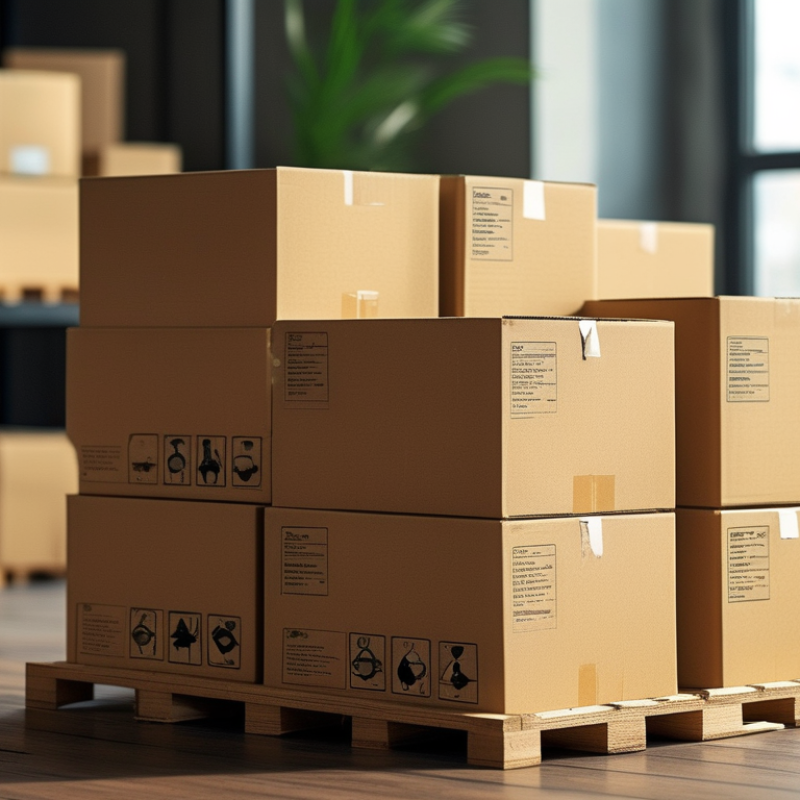
In shipping logistics, packaging quality plays a crucial role. High-quality packaging protects products during transit. It reduces damage and ensures items arrive intact. When packages break or leak, costs rise significantly. This leads to refunds or replacements. A damaged shipment can also tarnish a company’s reputation. Customers expect their orders to arrive in perfect condition.
Tips for improving packaging quality include using durable materials. Foam inserts or bubble wrap can provide extra cushioning. Choosing the right box size is equally important. An oversized box can lead to movement, increasing the risk of damage. For fragile items, consider specialized packaging solutions. Ensure that all packages are sealed properly to prevent contamination.
Investing in packaging technology can also enhance quality. Automated systems can ensure uniformity and strength. Regular training for staff on packaging best practices can yield great results. By prioritizing packaging, companies can optimize shipping costs and deliver a better customer experience. Consider evaluating current processes and making necessary adjustments. Small changes in packaging can lead to significant savings and improved satisfaction.
| Packaging Type | Material Cost (per unit) | Shipping Weight (lbs) | Shipping Cost (per unit) | Damage Rate (%) |
|---|---|---|---|---|
| Cardboard Box | $0.50 | 1.5 | $5.00 | 3% |
| Plastic Pallet | $2.00 | 5.0 | $10.00 | 1% |
| Bubble Wrap | $0.30 | 0.5 | $4.00 | 2% |
| Foam Packaging | $0.75 | 1.0 | $6.00 | 1.5% |
| Shrink Wrap | $0.25 | 0.3 | $3.00 | 2.5% |
: Packaging quality protects products during transit and reduces damage. Intact items enhance a company’s reputation.
Durable materials like foam inserts or bubble wrap provide excellent cushioning. They reduce the risk of product damage.
Using the right box size is crucial. Oversized boxes may allow movement, increasing the chance of damage.
For fragile items, consider specialized packaging solutions. Proper sealing prevents contamination and ensures safety.
Investing in automated packaging systems ensures uniformity and strength. It enhances overall packaging quality.
Custom boxes may look appealing but often cost more. Standard sizes can reduce shipping fees significantly.
Lightweight materials can lower shipping rates but may not protect adequately. Balance between weight and protection is important.
Using oversized packages can lead to higher surcharges. Assessing packaging dimensions against costs can help.
Prioritizing packaging quality minimizes damage during transit. This leads to better customer experiences and satisfaction.
Yes, regular evaluations can reveal areas for improvement. Small adjustments can lead to significant savings and better results.
The quality of packaging plays a crucial role in shipping logistics, directly impacting shipping costs. High-quality packaging materials can enhance protection and efficiency, potentially reducing damage rates during transit. Various packaging materials possess unique characteristics that influence their cost-effectiveness and suitability for different products. Effective packaging design not only ensures the safety of goods but also streamlines shipping processes, allowing for more efficient use of space and resources.
Understanding why packaging quality affects shipping costs is essential for businesses aiming to optimize their logistics strategies. By carefully selecting appropriate materials and designs, companies can minimize damage-related expenses and improve overall shipping performance, ultimately leading to increased customer satisfaction and reduced operational costs. The comparison of different packaging methods sheds light on how investing in quality can yield significant long-term savings.

 LG Logistics