Choosing the right freight forwarder is crucial for successful logistics management. It helps streamline shipping processes and mitigate risks. However, many face challenges in this selection. Experience and expertise are vital when determining how to choose the right freight forwarder.
A reliable freight forwarder can save time, reduce costs, and ensure your cargo arrives safely. Focus on factors like industry reputation and customer feedback. Observing how they handle unforeseen issues is equally important. Some forwarders may promise the world but fail in execution.
Take the time to research and compare options. Ask for recommendations and examine their track record. Remember, even the most established companies can have weaknesses. Understanding these elements can lead you to a more informed choice. Your decision can significantly impact your supply chain efficacy.
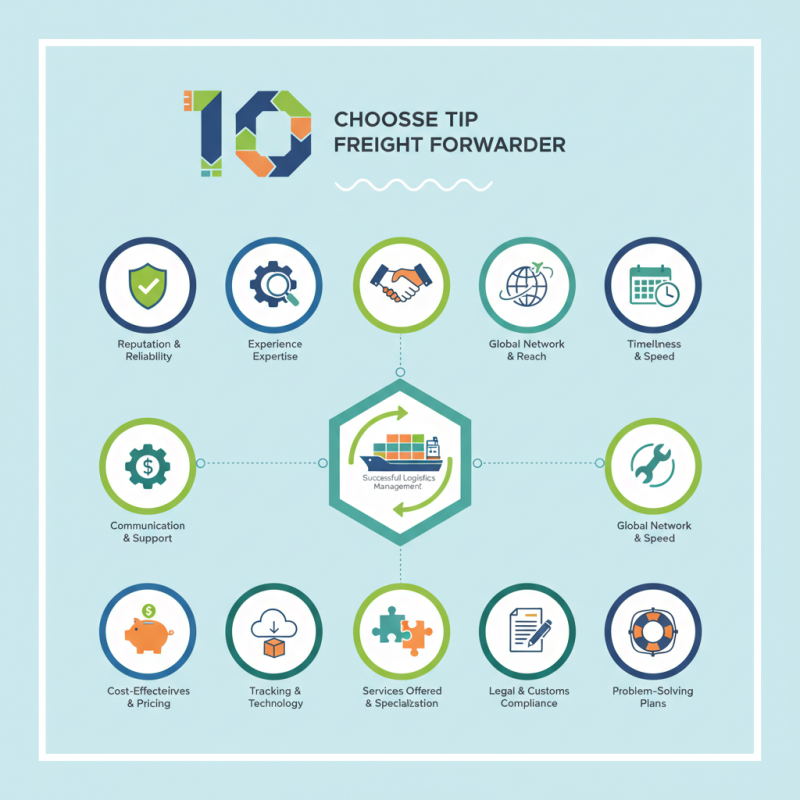
Freight forwarders are critical players in the shipping industry. They act as intermediaries between shippers and carriers. Their expertise helps businesses navigate the complexities of logistics. Efficient freight forwarding can lead to reduced shipping costs and faster delivery times. Choosing the right partner is essential for a smooth transportation process.
When selecting a freight forwarder, consider their experience and industry knowledge. They should have a proven track record in handling shipments specific to your sector. Look for their understanding of customs regulations and documentation requirements. A reliable forwarder can mitigate risks and avoid costly delays. It’s essential to evaluate their network capabilities too. A forwarder with strong relationships can provide better service options.
Communication is vital in this relationship. A good freight forwarder should keep you informed at every step. You may be surprised by the level of detail and attention you receive. Don't hesitate to revisit your choices if the service isn't meeting your standards. This reflection can lead to better shipping outcomes.
When selecting a freight forwarder, begin by identifying your shipping needs. Are you shipping domestically or internationally? The scope of your shipment greatly influences your choice. Consider the types of goods you transport. Perishable items, hazardous materials, and oversized cargo require specific handling expertise.
Understanding your requirements can help streamline the selection process. You might need a forwarder with specialized knowledge, or diverse shipping options. Different forwarders may offer unique services, such as customs clearance or warehousing. Evaluate their experience in your industry. A forwarder with relevant expertise will be more reliable.
Don’t overlook communication skills. Effective communication is vital during shipping. Choose a freight forwarder who responds promptly to inquiries. You might want to establish a list of key questions to ask potential forwarders. This will help you gauge their understanding of your needs. Ultimately, your forwarder should complement your logistical strategies, enhancing overall efficiency.
When choosing a freight forwarder, reputation and experience are crucial factors. A forwarder with solid industry knowledge can provide valuable insights. Look for companies that have been in business for several years. Their longevity often reflects reliability and trustworthiness.
Checking online reviews is essential. Look for consistent feedback from customers. A few negative comments might be common. However, numerous complaints can signal a problem. Pay attention to how the company responds to criticism. Engagement shows their commitment to customer service.
Experience in your specific shipping needs matters. If you require specialized cargo handling, seek a forwarder familiar with that niche. Ask about their previous projects. This information helps gauge their expertise. A good forwarder should confidently discuss similar shipments they’ve managed. Trust is built through experience, so choose wisely.
Choosing the right freight forwarder can significantly impact your logistics efficiency. Pricing structures vary greatly among freight forwarders. For instance, a recent industry report indicated that shipping costs can fluctuate by as much as 30% depending on the service level and the route. When comparing services, it’s crucial to evaluate not just the base rates but also additional fees, such as customs clearance and documentation charges.
Many companies overlook the importance of service quality. A forwarder offering the lowest price may not provide reliable transit times. Statistics show that 25% of companies have experienced delays due to poor service quality from freight forwarders. Additionally, communication plays a vital role. Timely updates and responsiveness can improve overall shipping experience. Poor communication can lead to misunderstandings and increased costs.
Research is essential to find a forwarder that aligns with your needs. Industry reviews, customer feedback, and expert consultations can offer insights. Aim for forwarders with experience in your specific type of goods. Consider technical capabilities, such as tracking systems and customer service. These aspects often impact cost and service quality but are sometimes overlooked in the pricing decision. Shipping logistics can be complex, and understanding these details helps you make informed choices.
When choosing a freight forwarder, compliance and insurance coverage are critical factors. Start by verifying their compliance with local laws and international regulations. A reputable forwarder will have the proper licenses and certifications. Don’t hesitate to request documentation. This ensures they are legally recognized and knowledgeable in the industry.
Insurance coverage is equally important. A trustworthy freight forwarder provides adequate cargo insurance. Check the details of the policy. Understand what is covered and any exclusions. If there are gaps in coverage, your shipment may be at risk. It's crucial to discuss your specific needs with them.
Tip: Always ask for references before making a decision. Experienced companies will be happy to provide contacts. Look for reviews and feedback from past clients. This can give insights into their reliability and professionalism. Comparing different forwarders based on compliance and insurance can help identify the best fit for your shipping needs.
| Tip No. | Tip | Description | Compliance Check | Insurance Coverage |
|---|---|---|---|---|
| 1 | Verify Accreditation | Ensure the freight forwarder has all necessary licenses and certifications. | Check for local and international regulatory compliance. | Verify appropriate cargo insurance policies. |
| 2 | Check Experience in Industry | Assess their experience with your specific type of cargo. | Confirm familiarity with industry standards. | Ensure they have experience managing insurance for similar shipments. |
| 3 | Evaluate Customer Service | Determine their responsiveness and support during shipping. | Look for customer service compliance indicators. | Check if they provide guidance on claims for loss/damage. |
| 4 | Review Technology Use | Assess the technology platforms they use for tracking shipments. | Check if they comply with cybersecurity regulations. | Assess if technology integrates with insurance management. |
| 5 | Understand Pricing Structure | Get clarity on all potential charges involved. | Ensure pricing complies with standard regulations. | Confirm insurance costs are included in quotes. |
| 6 | Seek References and Reviews | Look for testimonials and feedback from previous clients. | Check for complaints related to regulation breaches. | Take note of experiences regarding claims handling. |
| 7 | Check Global Network | Assess their worldwide reach and partnerships. | Determine compliance capabilities in international markets. | Verify global insurance partnerships. |
| 8 | Evaluate Communication Skills | Ensure effective communication channels are established. | Check if they maintain compliance through effective alerts. | Ensure clarity in communicating insurance details. |
| 9 | Review Claims Process | Understand their process for handling claims. | Evaluate how they ensure compliance during claims. | Check their success rate for claims resolution. |
| 10 | Inspect for Hidden Fees | Ensure all fees are fully disclosed and explained. | Check for compliance with transparency standards. | Ensure clarity on insurance premium costs. |
: Freight forwarders act as intermediaries. They help businesses navigate logistics. This can reduce shipping costs and improve delivery times.
Consider their experience and industry knowledge. Review their track record with similar shipments and customs regulations.
Good communication keeps you informed throughout the shipping process. It prevents misunderstandings and costly delays in delivery.
Look for consistent customer feedback. A few negative reviews are common, but many can indicate deeper issues.
Don’t just focus on base rates. Assess additional fees like customs and documentation charges, as these can vary widely.
Low prices can come with poor service. Delays and unreliable transit times are common issues reported by many companies.
Research their experience with similar goods. Ask about past projects to gauge their expertise and understand their capabilities.
Many overlook technical capabilities and customer service. These factors can significantly affect the overall shipping experience.
Engagement in online reviews matters. Companies that respond well to criticism show a commitment to improving customer service.
If service doesn’t meet your expectations, it’s wise to reflect on your choices. This may lead to better shipping outcomes.
Choosing the right freight forwarder is crucial for ensuring seamless shipping operations. To begin with, it’s essential to understand the role of freight forwarders, as they facilitate the logistics and transportation of goods across borders. Identifying your specific shipping needs and requirements will help streamline the selection process, allowing you to pinpoint candidates that align with your business objectives.
When evaluating potential freight forwarders, consider their reputation and experience in the industry. A reliable forwarder should have a proven track record and positive reviews from clients. Additionally, comparing the services and pricing of different freight forwarders can help you find the best value for your shipping needs. Lastly, ensure that the forwarder complies with all legal regulations and has adequate insurance coverage to safeguard your cargo. By following these guidelines on how to choose the right freight forwarder, you can make an informed decision that supports your logistical goals.

LG Logistics