China Top 10 Tips for Efficient Small Shipment Consolidation?

Time:2026-06-01 Author:Oliver
0%

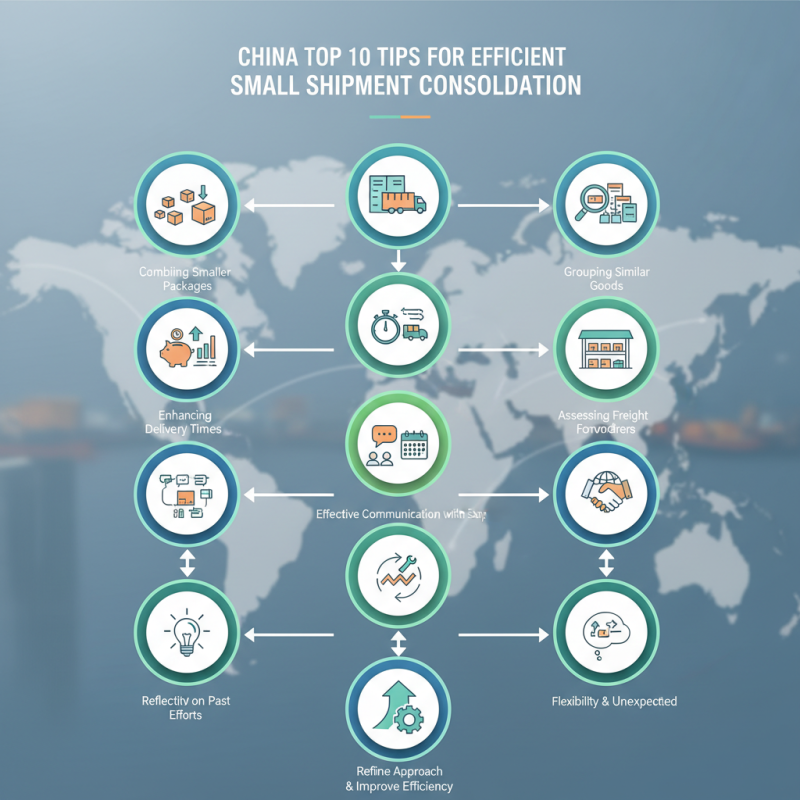
Efficiently consolidating small shipments can be a challenge for businesses in China. Understanding how to consolidate small shipments efficiently is crucial for reducing costs and enhancing delivery times. This process involves combining smaller packages into a single shipment, which can minimize shipping fees and optimize logistics.

Many companies struggle with this. They often overlook ways to group similar goods, potentially leading to wasted space and increased costs. It’s essential to assess your inventory and identify items that can be shipped together without compromising delivery timelines. Furthermore, working with reliable freight forwarders can provide valuable expertise in navigating the complexities of consolidation.

Effective communication with suppliers is also vital. Engaging them early in the shipping process can help align schedules and minimize delays. However, companies must remain flexible. There will be times when even the best plans face unexpected changes. Reflecting on past consolidation efforts can shed light on what works and where improvements are needed. By focusing on these elements, businesses can refine their approach to small shipment consolidation, ultimately improving their efficiency and reliability.
China Top 10 Tips for Efficient Small Shipment Consolidation?

Understanding Small Shipment Consolidation in China

Small shipment consolidation is essential in China’s dynamic logistics landscape. It helps streamline the shipping process for businesses, reducing costs and improving efficiency. Many companies face challenges when consolidating shipments. Understanding the nuances can significantly impact your operations.

Effective consolidation requires a careful evaluation of your shipment sizes. Each package must be optimally packed to maximize space. Finding reliable freight forwarders is crucial. They can assist in navigating complex customs regulations. Communication with the forwarder should be clear and timely. Miscommunication can lead to delays and increased costs.

Monitoring shipment tracking is another key aspect. Keeping a close eye on each stage aids in identifying issues early. Transparency in shipping processes helps build trust with partners. However, organizations often overlook the importance of documentation. Incomplete paperwork can hinder your consolidation success. Attention to detail in every step is vital for improvement. Reflecting on past consolidation attempts can lead to better practices in the future.

Identifying Key Factors for Efficient Consolidation

Efficient small shipment consolidation hinges on understanding the key factors involved. One crucial aspect is choosing the right logistics partner. A reliable partner can navigate local regulations and optimize routing. Their expertise helps minimize delays and cut costs. It’s essential to assess their experience in handling similar shipments. You must ensure they have a good track record in the field.

Another important factor is technology use. Advanced tracking systems provide real-time updates. They help manage inventory better, reducing the risk of overstocking or stockouts. Moreover, effective communication tools can enhance coordination among various stakeholders. Yet, it’s vital to evaluate if the technology being used is user-friendly and accessible. Sometimes, technology can introduce complexity rather than simplify operations.

It’s also worth noting the packaging approach. Proper packaging can prevent damage during transit. Yet, overspending on packaging can eat into your budget. Balancing protection and cost-effectiveness is key. Additionally, regularly reviewing these factors can uncover inefficiencies. This reflection may lead to changes that enhance the overall process. The goal should always be to refine practices for better outcomes.

Strategies for Choosing the Right Logistics Partner

Choosing the right logistics partner is crucial for efficient small shipment consolidation in China. A reliable partner can impact cost and lead times significantly. The logistics market growth is forecasted at 10.4% annually through 2027, showcasing an evolving landscape. Emphasizing experience, knowledge, and reliability is pivotal when selecting a partner.

You should assess your partner’s ability to navigate local regulations. Knowledge of customs processes is essential. In 2022, around 30% of small businesses reported delays due to compliance issues. A partner with a strong track record can mitigate these risks.

Tips: Look for carriers with a proven history. Examine customer reviews and case studies. This information highlights their strengths and weaknesses. Further, evaluate their technology. Efficient tracking systems improve communication and reduce errors.

Additionally, ensure they offer flexible solutions. Smaller shipments can vary greatly. Your logistics partner should adapt to your unique needs. The lack of customization may lead to inefficiencies. An ideal partner should be proactive. They should anticipate potential hurdles before they arise, ensuring smoother operations.

Leveraging Technology for Streamlined Shipping Processes

Efficient small shipment consolidation is increasingly vital for businesses looking to enhance their shipping processes. Leveraging technology can drive significant improvements in this area. According to a recent industry report, 75% of companies have adopted technology solutions that improve their shipping efficiency. This shift reflects the growing recognition of technology's role in optimizing logistics.

One effective tip is integrating an advanced shipment tracking system. Such systems allow for real-time updates and enhance visibility. Research shows that improved tracking reduces delivery time by up to 25%. This is crucial for customer satisfaction. Another tip is to utilize automated inventory management tools. These tools can minimize stock discrepancies and streamline the packing process, reducing errors and unnecessary delays.

Companies should also consider leveraging data analytics. By analyzing shipping data, businesses can identify patterns and optimize consolidation strategies. This approach can lead to up to a 30% reduction in shipping costs. However, not all companies are equipped to handle data effectively. This gap reveals an area for improvement. It's essential for organizations to foster a data-driven culture to fully harness technology’s potential in small shipment consolidation.

Best Practices for Packaging and Labeling Consolidated Shipments

Efficient small shipment consolidation can be a game changer for many businesses. Proper packaging and labeling play crucial roles in this process. According to the International Warehouse Logistics Association, effective packaging can reduce shipping costs by up to 25%. This means that consolidating small shipments not only saves money but also enhances delivery efficiency.

When it comes to packaging, use high-quality materials. Fragile items must be cushioned well. Inadequate padding can lead to damages, resulting in additional costs. Labeling should be clear, concise, and compliant with regulations. Ensure that the labels include relevant information, such as weight, dimensions, and handling instructions. This can mitigate delays caused by customs or shipping errors.

Tip: Consider grouping items by destination. This reduces unnecessary handling and expedites delivery times. Another tip is to use standardized boxes for different shipments. This simplifies packing and optimizes space. Poorly designed boxes can lead to wasted space and higher shipping costs. Additionally, review your packaging practices regularly to identify areas for improvement. Continuous monitoring of these practices will keep costs in check and enhance operational efficiency.

FAQS

: What is crucial for efficient small shipment consolidation?

: Choosing the right logistics partner is essential. They should have experience in handling similar shipments.

How does technology impact shipping efficiency?

Technology enhances visibility through advanced tracking systems. Real-time updates help reduce delivery times significantly.

Why is proper packaging important?

It prevents damage during transit. However, overspending on packaging can increase costs unnecessarily.

What role does data analytics play in shipping?

Data analytics helps identify patterns, optimizing consolidation strategies and reducing shipping costs.

How can communication tools improve logistics?

Effective communication enhances coordination among stakeholders. This can lead to fewer delays in the shipping process.

Can technology complicate operations instead of simplifying them?

Yes, sometimes the technology used can be complex. It’s essential to ensure it's user-friendly and accessible.

What can regular reviews of shipping practices achieve?

They can uncover inefficiencies and lead to necessary changes. This reflection is vital for better outcomes.

What happens if a company lacks effective data handling?

They may miss out on optimizing shipping costs. A data-driven culture is essential for improvement.

How much can improved tracking reduce delivery times?

Research indicates it can reduce delivery time by up to 25%. This enhancement is crucial for customer satisfaction.

Why is balancing protection and cost important in packaging?

Protecting shipments is key, but overspending can hurt your budget. Finding the right balance is necessary.

Conclusion

In the context of "How to consolidate small shipments efficiently," understanding the nuances of small shipment consolidation in China is crucial for businesses looking to optimize their logistics operations. Key factors such as shipment volume, weight, and destination play a significant role in ensuring efficient consolidation. Additionally, selecting the right logistics partner is essential; companies should consider expertise, network capabilities, and cost-effectiveness to enhance their shipping experience.

Leveraging technology is another vital strategy, as it can lead to streamlined shipping processes through real-time tracking and automated documentation management. Furthermore, adhering to best practices in packaging and labeling consolidated shipments can minimize delays and reduce the risk of damage. By implementing these strategies, businesses can achieve significant improvements in their shipment consolidation efforts.

Oliver

Oliver

Oliver is a seasoned marketing professional with a wealth of expertise in driving brand awareness and engagement. With a deep understanding of our company's product offerings, he consistently delivers high-quality content that enriches our professional blog. His insights not only shed light on......