In today's competitive e-commerce landscape, knowing how to track FBA shipments in real time is essential for success. According to a recent report by eMarketer, 83% of online shoppers expect real-time shipment updates. Implementing effective tracking systems can enhance customer satisfaction and reduce the chances of lost or delayed packages. However, many sellers struggle with navigating Amazon's complex logistics systems, leading to shipping frustrations.
Utilizing tools like Amazon's Track Shipments feature can streamline this process. In fact, a study by Logistics Management indicated that companies using real-time tracking experience a 30% increase in operational efficiency. Yet not all sellers take advantage of these resources. Many uncertain about how to track FBA shipments in real time miss valuable insights into their supply chain. This lack of knowledge can result in missed delivery windows and dissatisfied customers.
Real-time tracking is not just an operational necessity; it’s an expectation. As consumers become more demanding, sellers must adapt to these trends. Understanding how to track FBA shipments in real time will not only boost reliability but also improve overall business performance. Embracing these practices can lead to more informed decisions and a competitive edge in the marketplace.
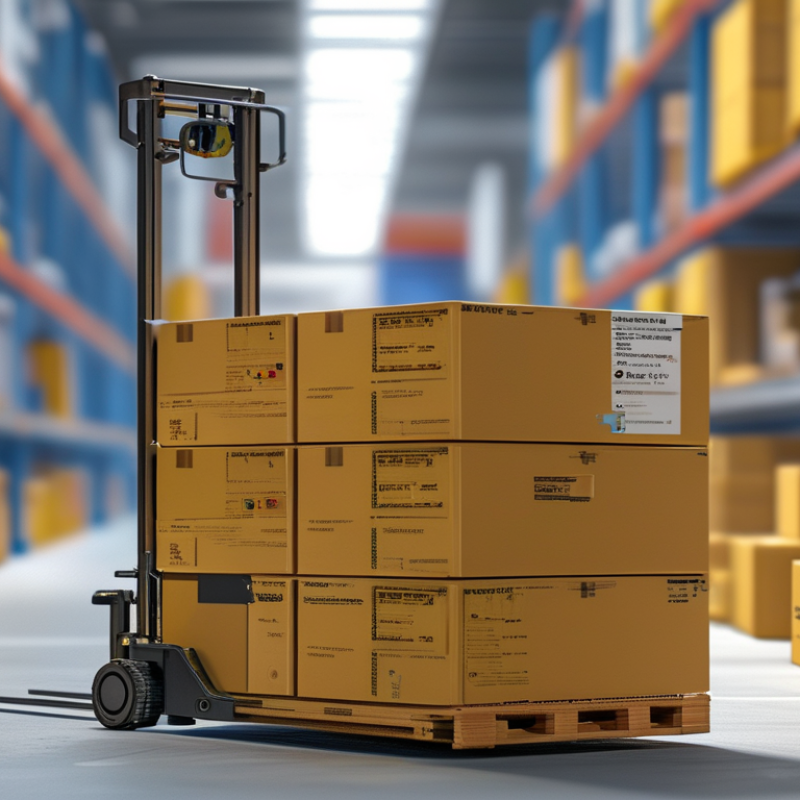
Understanding FBA shipments is crucial for e-commerce success. Fulfillment by Amazon (FBA) allows sellers to store their products in Amazon's warehouses. This service handles storage, packaging, and shipping. With FBA, businesses can focus on growth while Amazon manages logistics.
Real-time tracking plays a vital role in managing these shipments. Knowing exactly where your inventory is can minimize delays and improve customer satisfaction. Sellers can utilize Amazon's tracking tools or third-party solutions to gain insights. Monitoring shipments ensures that stock levels are maintained. Inconsistent tracking can lead to stockouts or overstocking.
Analyzing shipment data helps identify patterns. Are there frequent delays? Are certain routes problematic? These questions require reflection to optimize the supply chain. Adjusting inventory based on data can enhance efficiency. Acknowledge that the process is not always perfect. Continuous improvement leads to better outcomes. Tracking FBA shipments effectively can ultimately strengthen your e-commerce strategy.
When managing FBA shipments, real-time tracking is essential. Accurate tracking helps prevent delays and manage customer expectations. Many sellers underestimate the importance of using effective tools. A solid tracking system can enhance transparency and improve communication with customers.
Several platforms provide excellent tracking features for FBA shipments. Logistics management software often offers integrated tracking. These tools allow users to monitor their shipments throughout the delivery process. Some platforms send alerts regarding any issues that arise during transit. This immediate feedback can help sellers address problems proactively.
However, reliance on technology can pose challenges. Not every system is foolproof. Connectivity issues or software glitches may cause temporary disruptions in tracking. It's crucial for sellers to have contingency plans. Regularly assessing chosen tools is vital for ensuring they meet shipping needs. The key is to stay informed and flexible.
Tracking FBA shipments in real time is crucial for any e-commerce business. Setting up tracking notifications can enhance efficiency dramatically. According to a recent report by TCG Consulting, companies that effectively track their shipments see a 20% reduction in logistical costs. This highlights the importance of a precise tracking system.
Begin by logging into your seller account and navigating to the FBA shipment section. You can enable notifications by selecting the appropriate options under shipment settings. Once activated, notifications will update you on shipment milestones, such as when your items are picked, packed, and shipped. Research indicates that timely alerts improve customer satisfaction by up to 30%.
However, there are challenges. Not all carriers offer real-time updates, leading to delays in information. This can frustrate customers and may affect sales. The key is to select carriers with reliable tracking systems. Regularly review your tracking setup, as industry standards and technologies evolve rapidly. In 2022, 62% of e-commerce businesses reported challenges with tracking accuracy. Staying on top of these advancements is vital for maintaining your service quality.
Tracking FBA shipments in real-time can be quite challenging. However, adopting effective practices can streamline this process. Understanding the shipment data thoroughly is crucial. This includes details such as expected delivery dates and transit times. Keeping a meticulous record of your shipments helps in identifying patterns. Over time, these patterns reveal insights into delivery efficiency.
Analyzing shipment data is not just about numbers. It's about context and relevance. Use dashboards to visualize shipment performance regularly. This allows a quick assessment of where issues may arise. For instance, if a specific route shows frequent delays, this merits further investigation. Establishing benchmarks can also provide clarity on performance metrics. If a shipment takes longer than usual, don't hesitate to trace its journey.
Managing shipment data requires an adaptable mindset. As you learn from past experiences, refine your tracking methods. Sometimes, existing systems may not be adequate. Exploring new tools may uncover hidden insights. Remember, it’s acceptable to reassess your techniques. Constant improvement in tracking practices can significantly enhance shipment management efficiency.
Tracking FBA shipments can be tricky. Many sellers face issues like inaccurate tracking and delayed updates. A report from the eCommerce Logistics Association shows that nearly 30% of sellers experience tracking inaccuracies. This can lead to lost revenue and customer dissatisfaction. Overcoming these challenges requires a proactive approach.
To enhance tracking efficiency, use integrated software solutions. These tools provide real-time updates and alerts. According to a recent survey, 72% of successful sellers use automated tracking systems. This reduces the chances of miscommunication between sellers and carriers. Understanding the shipment lifecycle can also help. Familiarize yourself with key milestones from dispatch to delivery.
Regular communication with logistics providers is crucial. Delays often occur due to mismanagement or unforeseen circumstances. Establishing a relationship can improve transparency. While it’s vital to stay informed, it’s equally important to reflect on your tracking strategy. Look for areas that need improvement. Implementing regular audits can also reveal hidden issues. Adopting a data-driven mindset will help streamline your tracking process.
shipments?
Logistics management software offers integrated tracking features. It allows sellers to monitor shipments and receive alerts about any issues.
Technology can have issues like connectivity problems or software glitches. These disruptions can hinder tracking accuracy temporarily.
Regularly assess chosen tools to ensure they meet shipping needs. Staying informed and being flexible is key.
Sellers should track expected delivery dates, transit times, and maintain detailed records. Identifying patterns can improve efficiency.
Analyzing data provides insights into delivery performance. Visualization tools allow quick assessments of potential issues.
Sellers often deal with inaccurate tracking and delayed updates. This can lead to lost revenue and customer dissatisfaction.
Using integrated software solutions can enhance tracking. Automated systems reduce miscommunication with carriers.
Regular communication helps manage delays due to unforeseen circumstances. Building a relationship improves transparency.
An adaptable mindset is crucial. Reflecting on past experiences and re-evaluating tracking methods can lead to constant improvement.
Effectively tracking FBA shipments in real time is crucial for e-commerce success. This article outlines the importance of understanding FBA shipments, emphasizing their role in maintaining efficient inventory management and customer satisfaction. It discusses key tools and platforms available for real-time tracking, providing a comprehensive step-by-step guide to setting up tracking notifications.
Additionally, the article highlights best practices for analyzing and managing shipment data, ensuring businesses can respond proactively to any issues. Finally, it addresses common challenges encountered in FBA shipment tracking and offers practical solutions to overcome them. By mastering how to track FBA shipments in real time, sellers can enhance their operational efficiency and improve customer experiences.

LG Logistics