Cross-border logistics looks simple on a tracking screen: a parcel leaves one warehouse and arrives at another country. The reality is less tidy. Sellers must coordinate carriers, customs documentation, taxes, product data, delivery promises, and customer expectations. One missing code can hold a shipment while storage charges quietly increase. One inaccurate address can create a second delivery attempt.
Why cross-border logistics is challenging for sellers becomes clearer when we examine the entire journey, not only transportation. John Manners-Bell, a recognized supply-chain analyst and CEO of Transport Intelligence, has described logistics as “the management of risk, cost, and service.” That balance is difficult across borders. A cheaper carrier may offer slower tracking. A faster route may create higher handling costs. Local delivery partners may also follow different scanning and communication practices.
Technology helps, but it does not remove uncertainty. Sellers need accurate product descriptions, consistent commercial data, realistic delivery windows, and reliable exception handling. They also need experience with seasonal congestion, weather disruption, warehouse handoffs, and customer communication. Small businesses often learn this through expensive mistakes. I have seen how one unclear responsibility between a seller and a carrier can delay an otherwise ready shipment.
The subject deserves a practical view. Cross-border logistics is not only a transportation problem. It is a coordination problem involving people, systems, documents, and trust. Some explanations make it sound predictable. It is not. Better planning reduces surprises, but even mature operations must review their assumptions regularly.
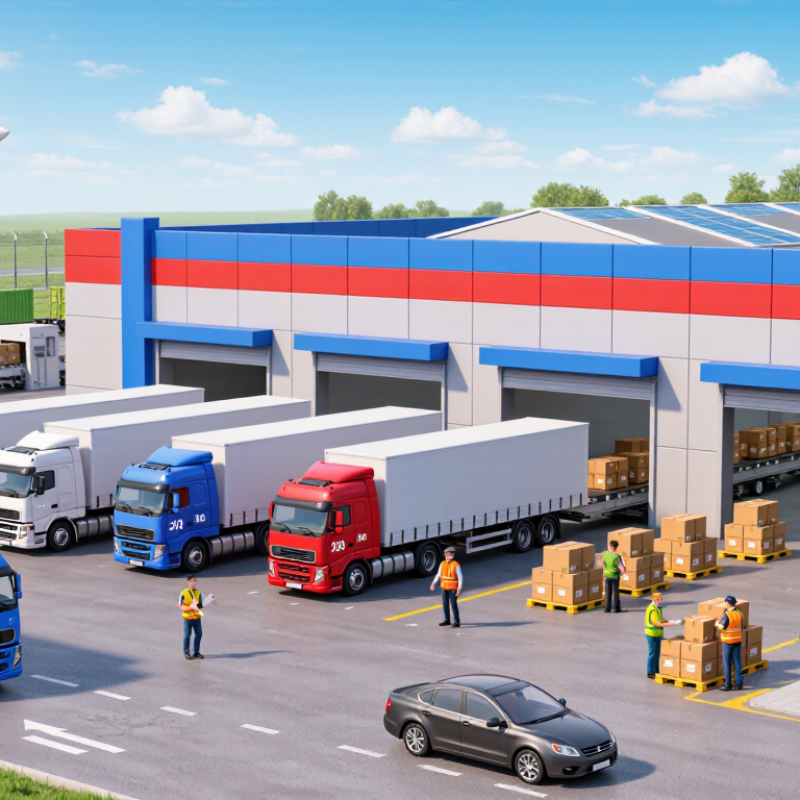
Cross-border logistics is the process of moving an order from a seller in one country to a customer in another. It connects warehousing, export handling, international transport, customs clearance, and local delivery. Each stage needs accurate information. A small error in an address or product description can stop a parcel for days.
The process usually begins when a seller confirms the order and prepares the shipment. The package receives a commercial invoice, packing details, and transport information. A carrier then moves it by air, sea, road, or a combined route. Customs officers review the declared goods, value, and destination rules. After approval, a local delivery provider takes the parcel to the customer’s door.
Timing is rarely predictable. Delays happen. Weather, incomplete documents, inspections, and crowded ports can change the delivery date. In warehouse operations, clear labels and consistent weight checks prevent many avoidable problems. Tracking data also helps sellers explain delays without making promises they cannot keep. Still, tracking is not perfect; a parcel may move physically before the system records its next scan. Sellers should calculate duties, delivery costs, return routes, and damaged-package handling before publishing shipping promises. A cheaper route may create slower service or more customer inquiries. That trade-off deserves careful review.
Cross-border logistics begins long before a truck reaches the border. Sellers must confirm product details, package dimensions, destination rules, and delivery terms. A small error in the commercial invoice can delay an entire shipment. Names, quantities, values, and country-of-origin details must match the physical goods.
The next stage is pickup and export processing. Goods are counted, labeled, and moved to a warehouse or transport terminal. Staff check shipping documents before the cargo leaves the origin country. Then the main journey may involve road, air, sea, or several combined methods. Each transfer adds handling time and another chance for damage. Tracking updates can also appear late, especially during port transfers.
Arrival does not mean completion. Import authorities review the declaration, product description, and supporting records. Duties or taxes may apply according to the destination’s current requirements. After release, a local carrier completes delivery to a home, store, or fulfillment center. This final stage often exposes weak planning. An incomplete address, limited delivery window, or unsuitable packaging can create extra costs. Plans are never perfect. Weather, congestion, and document questions still disrupt reliable schedules. Sellers should review delay data after each shipment and adjust packing, timelines, and customer communication instead of trusting the original plan blindly.
Cross-border logistics is difficult because sellers manage several systems they do not control. A carton may leave a warehouse at dawn, wait for a vessel, and lose tracking updates during a handoff. UNCTAD’s Review of Maritime Transport 2023 reports that maritime shipping carries over 80% of global merchandise trade by volume. One delayed port connection can therefore affect delivery promises far beyond the seller’s warehouse.
The World Bank’s Logistics Performance Index 2023 reported an average of 44 days between a shipment entering the export country’s port and leaving the import country’s port. That period includes customs processing, inspections, documentation checks, and transfers between transport operators. Sellers must also handle different address formats, tax calculations, product descriptions, and delivery expectations. A small error in one field can send a parcel into manual review. Sometimes, the tracking page simply stays quiet.
Returns create another difficult layer. A customer may reject a package because the delivery window changed, while the seller still pays for transportation, handling, and storage. Reverse logistics across borders is rarely as simple as shipping outward. Industry surveys often measure delivery speed, but they can understate failed deliveries and customer-service time. That is a weakness worth admitting. Faster shipping also does not always mean better logistics. A rushed route may increase costs, damage risk, or emissions. Sellers need practical service levels, accurate documentation, and backup plans when a port, carrier, or customs process falls behind.
Cross-border sellers must manage customs procedures, transport infrastructure, international shipping, logistics expertise, shipment tracking, and delivery reliability. The World Bank's 2023 Logistics Performance Index scores these dimensions from 1 to 5, where higher scores indicate stronger logistics performance.
Global average logistics performance scores, rounded from the World Bank Logistics Performance Index 2023. Lower scores highlight operational areas that can create delays, extra costs, and compliance challenges for sellers.
Cross-border logistics moves goods through multiple countries, each with different customs procedures. A seller must provide accurate invoices, product descriptions, values, and tariff codes. One wrong code can delay a parcel for days. Customs officers may also request proof of origin or additional documents. Clear paperwork matters more than fast packing.
Taxes create another layer of uncertainty. Import duties, value-added taxes, and clearance fees may depend on the destination, product category, and declared value. Sellers should calculate these costs before advertising a final price. Otherwise, the buyer may face an unexpected bill at delivery. Rules can change. Check official customs guidance regularly.
Regulations also affect labeling, packaging, safety information, and permitted product claims. A product accepted in one market may need different documentation elsewhere. Delivery risks remain after clearance. Missorted parcels, damaged cartons, weather disruptions, and incomplete addresses can all create losses. Tracking helps, but it is not a guarantee. I have seen teams focus heavily on shipping speed while overlooking return procedures. That mistake is expensive. A reliable process includes realistic delivery windows, careful recordkeeping, suitable packaging, and a clear plan for failed deliveries. No system is perfect. Reviewing each delay can reveal weak points before they become repeated problems.
Cross-border logistics is difficult because sellers manage several systems at once. Customs documents, carrier handoffs, taxes, and delivery promises must align. One missing invoice detail can hold a parcel for days.
UNCTAD’s Review of Maritime Transport 2023 states that ships carry over 80% of global merchandise trade by volume. Delays at ports can therefore affect inland delivery schedules quickly. The World Bank’s 2023 Logistics Performance Index also highlights reliability, tracking, and customs efficiency as major performance factors. Sellers should map each shipment step, from warehouse scanning to final delivery. Use standardized product descriptions and accurate package weights. Share tracking events before customers ask. This reduces support pressure and exposes weak carrier handoffs.
Tips: Keep a country-specific document checklist. Test delivery estimates with real orders, not only carrier promises. Review failed deliveries every week. A simple spreadsheet can reveal repeated address, packaging, or clearance errors. Sellers should also separate urgent shipments from economy orders. Mixing them can create unrealistic customer expectations. Small packaging trials help control dimensional weight and damage. They are not perfect, but they provide useful evidence.
Experience also shows that automation needs human review. A rule can flag an unusual destination, but it may misread a legitimate address. Teams should audit exception cases and record the reason for each correction. That discipline improves accuracy over time. There is no flawless process. Even careful sellers need contingency time.
It moves an order from a seller in one country to a customer in another. It includes warehousing, customs, international transport, and local delivery. Many handoffs happen.
Common documents include a commercial invoice, packing details, and transport information. Product names, quantities, values, and origins should match the parcel. Small errors matter.
The seller prepares and labels the package. A carrier transports it by road, air, sea, or a combined route. Customs reviews the declaration before local delivery begins.
Weather, crowded ports, inspections, and incomplete documents can change delivery dates. An address mistake may hold a parcel for several days. Delays happen.
Sellers should review transport time, customs processing, local delivery, and possible return routes. They should test estimates with real shipments. Carrier promises are not always enough.
Use clear labels, standardized descriptions, and accurate package weights. Keep a document checklist for each destination. Weekly reviews can reveal repeated mistakes.
No. A parcel may move before its next scan appears. Port transfers can create long gaps between updates. Tracking is helpful, not perfect.
Large packaging can increase dimensional weight and handling costs. Weak packaging may lead to damage during transfers. Small packaging trials provide useful evidence, though they cannot predict everything.
Automation can flag unusual addresses, missing documents, or weight differences. Human review remains important because legitimate details may look unusual. Rules can be wrong.
Record the cause, such as an incomplete address, clearance question, or damaged package. Then adjust packing, timelines, or customer communication. The original plan may need revision.
Cross-border logistics is the process of moving products from a seller in one country to customers in another. It involves several stages, including order processing, inventory preparation, international transportation, customs clearance, local delivery, and returns management. Each stage requires accurate information and coordination among sellers, carriers, customs authorities, and delivery partners.
Why cross-border logistics is challenging for sellers is that international shipments must meet different customs procedures, tax requirements, product regulations, documentation standards, and delivery expectations. Delays may result from incorrect paperwork, inspections, transportation disruptions, currency changes, or limited tracking visibility. Sellers can improve their operations by researching destination-market requirements, preparing complete shipping documents, calculating duties and taxes clearly, selecting reliable logistics providers, using suitable packaging, and offering accurate delivery estimates. Strong inventory planning, shipment tracking, transparent communication, and a clear returns process can also reduce costs, prevent avoidable delays, and create a more dependable customer experience.

LG Logistics