Ocean shipping rarely moves in a perfectly straight line. A container may leave a factory on schedule, then wait outside a congested port for several days. Weather, equipment shortages, vessel changes, labor disruptions, and inaccurate documentation can all interrupt the planned route. Even a minor delay at the origin port may affect connecting vessels, warehouse appointments, and final delivery dates.
Understanding the cause is the practical starting point. Shippers should compare the carrier’s tracking data with updates from the freight forwarder and destination terminal. They should also review the bill of lading, booking confirmation, cargo readiness date, and customs documents. Small errors, such as a missing package count or inconsistent consignee information, can create avoidable holds. They are easy to overlook.
How to handle delays in ocean shipping depends on timing, cargo value, and available alternatives. A responsible logistics team should request a written explanation, confirm the revised estimated time of arrival, and ask whether transshipment or another sailing is realistic. Important customers need early, specific updates rather than vague promises. A simple message can include the affected container, current location, revised date, and next checkpoint.
There is no universal solution. Expedited rail or air freight may protect a production deadline, but the added cost can exceed the cargo’s value. In some cases, waiting is safer and more economical. I have found that contingency plans often look stronger on paper than in real operations. They still need testing. Clear contracts, buffer inventory, verified documents, and regular carrier communication can reduce the impact of future disruptions, although they cannot remove every uncertainty.
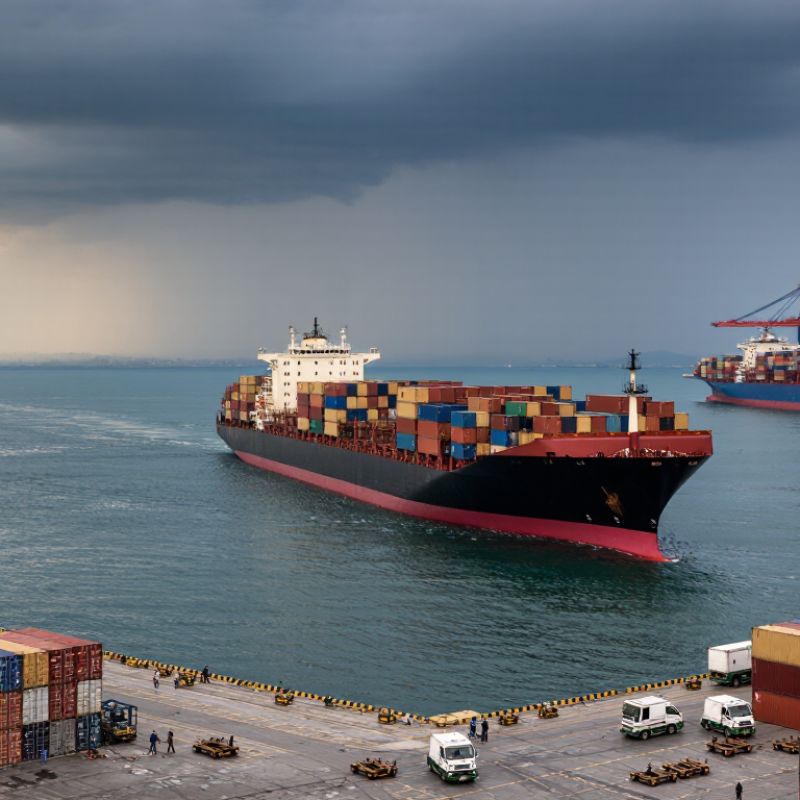
An ocean shipment delay is more than a late vessel. It can mean cargo remains at origin, waits at a transshipment port, or misses a delivery appointment. Weather, port congestion, equipment shortages, inspections, and documentation errors can interrupt the planned route. The container may be physically safe, yet commercially unavailable. That distinction matters. A retailer may lose shelf space, while a manufacturer waits for one missing component. Cash can remain tied to goods that generate no revenue.
Experienced logistics teams treat delays as changing risks, not fixed dates. They verify the container’s last confirmed movement, request a revised estimate, and compare it with port notices. A tracking screenshot is not enough. Time stamps, booking records, customs documents, and terminal messages create a clearer operational record. If the cause is unclear, ask about the vessel, terminal, release status, and next available connection. Avoid promising customers a precise arrival time too early. That promise can age badly. Share a realistic delivery window and update it when evidence changes.
Handling the delay also requires practical choices. Prioritize urgent orders, check alternative transport costs, and adjust production plans before stock runs out. Airfreight may solve a shortage, but its cost can damage the margin. Holding the cargo may be safer when demand is uncertain. Even experienced teams misjudge this trade-off. A practical review should examine inventory value, customer commitments, storage fees, and the cost of waiting another week.
Ocean shipments are delayed for several connected reasons. Port congestion is a major one. When containers arrive faster than terminals can process them, vessels wait offshore, sometimes for days. UNCTAD’s Review of Maritime Transport 2024 states that ships carry over 80% of global merchandise trade by volume. A small disruption can therefore affect factories, warehouses, and retailers across several countries.
Weather creates another pressure point. Strong winds, typhoons, fog, and rough seas can slow vessels or close terminals. Canal restrictions also force ships to take longer routes, increasing fuel use and transit time. Sea-Intelligence’s 2024 Global Liner Performance data showed schedule reliability often remained near 50%. The date on a booking is not a promise.
Cargo readiness matters too. Missing documents, customs holds, incorrect weights, and late container delivery can cause rolled bookings. Equipment shortages may leave an empty container unavailable near the supplier. In practical shipment reviews, early tracking helps, but it does not solve every problem. I have seen teams rely too heavily on carrier updates and react late. A better approach is to monitor port dwell time, vessel position, cutoff dates, and transshipment status together. Keep a realistic buffer. Record each delay clearly, because the first explanation is not always the complete one.
Ocean delays often begin before a container reaches the terminal. A booking may miss its vessel cutoff because cargo is packed late or documents remain incomplete. Even a small weight discrepancy can trigger a verification request. That pause can push the shipment to the next sailing. It feels minor. It is not.
At the export port, congestion develops when trucks arrive faster than cranes can handle them. Yard storage fills, containers wait longer, and planned loading sequences change. Bad weather may slow operations further. Once the vessel leaves, delays can continue through transshipment. A connecting ship may depart before the container is discharged. Port closures, equipment shortages, and schedule changes then add more days.
Import procedures create another pressure point. Authorities may request clearer invoices, packing details, or shipment data. In my experience, accurate paperwork helps, but it never guarantees speed. One mistake I still see is treating the original schedule as a promise. It is only a working estimate. Shippers should track cutoff times, confirm document acceptance, and ask for milestone updates from the carrier or logistics provider. They should also prepare customers for realistic delivery windows, not optimistic dates. Better planning reduces surprises, although some delays remain outside anyone’s control.
How Delays Develop Throughout the Ocean Shipping Process
| Shipping Stage | Typical Time Range | Common Delay Drivers | Typical Delay Impact | Early Warning Indicators | Recommended Response |
|---|---|---|---|---|---|
| Booking and Space Confirmation | 1–5 business days | Peak-season demand, blank sailings, equipment shortages, late booking requests | 2–14 days | Booking remains pending; proposed vessel changes; no confirmed container release | Book earlier, request alternative sailing options, and confirm equipment availability before production is completed. |
| Cargo and Container Preparation | 1–7 days | Production slippage, missing cargo, incorrect packing, late export documents | 1–10 days | Cargo-ready date moves; packing list differs from purchase order; unresolved carton or weight data | Use a cargo-readiness checklist, verify dimensions and weight, and set a document cut-off before the container pick-up date. |
| Empty Container Release and Pick-Up | 1–3 days | Limited equipment, depot queues, truck shortages, appointment constraints | 1–5 days | No empty-container release number; repeated appointment failures; depot inventory alerts | Confirm release instructions early, use approved alternate depots where available, and maintain a backup trucking appointment. |
| Stuffing, Weighing, and Gate-In | 1–2 days | Truck congestion, terminal cut-off missed, overweight container, incorrect verified gross mass | 1–7 days | Gate-in appointment unavailable; weight data rejected; container arrives after receiving cut-off | Schedule gate-in with buffer time, validate weight data, and monitor terminal cut-offs in local time. |
| Export Customs Clearance | 1–3 business days for routine shipments | Incorrect HS classification, incomplete commercial invoice, inspection, export license requirements | 1–10 days | Declaration rejected; customs requests supporting documents; cargo placed on hold | Pre-check classification and documents, respond quickly to customs queries, and retain product compliance records. |
| Terminal Handling and Vessel Loading | 1–4 days | Port congestion, labor disruption, yard re-handling, adverse weather, late vessel arrival | 1–14 days | Vessel arrival changes; terminal congestion notices; container not shown as loaded | Track the vessel and terminal milestones, retain proof of gate-in, and prepare a contingency sailing if loading is missed. |
| Ocean Transit | 10–45 days, depending on route | Weather, port omissions, slow steaming, vessel schedule disruption, security-related rerouting | 2–30 days | Estimated arrival changes repeatedly; vessel skips a port; transshipment connection is revised | Use realistic transit buffers, review tracking events frequently, and notify customers as soon as the ETA changes materially. |
| Transshipment or Port Connection | 1–10 days | Missed connection, limited feeder capacity, terminal congestion, document mismatch | 3–21 days | Container remains at intermediate port; onward vessel is changed; no transshipment loading event | Confirm the onward connection, request priority planning where possible, and evaluate a direct or alternate routing for urgent cargo. |
| Import Documentation and Customs Clearance | 1–5 business days for routine shipments | Missing arrival notice, incorrect invoice, valuation issue, inspection, permits or regulatory controls | 1–14 days | Customs hold; duty calculation query; delivery order not released | Submit complete documents before arrival, reconcile product descriptions and values, and appoint a responsive customs broker. |
| Container Release and Final Delivery | 1–7 days | Drayage capacity, chassis shortages, delivery appointment limits, terminal storage congestion | 1–10 days | No delivery appointment; container remains available but not dispatched; free-time deadline approaches | Pre-book inland transport, confirm receiving hours, plan container return, and monitor free time to reduce demurrage and detention exposure. |
Why Do Ocean Shipments Get Delayed and How to Handle It?
When an ocean shipment is delayed, check the latest vessel and container status immediately. Port congestion, weather, equipment shortages, and documentation errors can create different problems. Do not rely on a single tracking update. Contact the carrier, freight forwarder, or port representative and request the cause, revised departure date, and estimated arrival date in writing.
Act quickly. Review the commercial invoice, packing list, booking details, and customs information for inconsistencies. A small mismatch in weights or descriptions can hold a container longer than expected. Ask whether the container has reached the terminal and whether free storage time is still available. Extra charges may grow each day. Request a written breakdown before approving any payment.
Keep customers, warehouses, and transport providers informed with specific dates. If the delay threatens production, compare practical options such as changing the delivery schedule, using another port, or moving only urgent goods by air. The cheapest option is not always the safest. Document every call, notice, and cost estimate. These records support later discussions and help identify repeated failures.
Stay realistic. An estimated arrival time can change again. Build a buffer into future plans, especially during peak seasons. I have seen teams wait too long for a perfect update and lose valuable time. That mistake is avoidable. Set a follow-up deadline, even when the information remains incomplete.
Ocean delays often begin before a container reaches the terminal. Weather, port congestion, equipment shortages, customs checks, and inaccurate documents can disrupt schedules. Prevention starts with a realistic sailing plan, not an optimistic promise. Add buffer days around cargo cutoff, transshipment, and final delivery. A two-day cushion may fail during peak seasons. Use recent route performance data when setting customer expectations.
Before booking, confirm the vessel schedule, terminal cutoff, container availability, and documentation requirements in writing. Check commercial invoices, packing lists, weights, and consignee details twice. One incorrect number can hold a container for days. Inspect cargo packaging and seal numbers before pickup. Photographs create a useful record when responsibility becomes unclear. Share milestone dates with suppliers, carriers, brokers, and receiving teams. Silence is risky.
Track each shipment at agreed checkpoints, not only after a missed arrival. Set alerts for gate-in, loading, departure, transshipment, and discharge. Prepare practical alternatives, such as another sailing or a nearby port. Do not change routes casually; compare extra handling, storage fees, and inland capacity. I once treated an estimated arrival as fixed. That assumption made our response late. Now, every high-risk shipment has an owner, escalation time, and documented backup plan. The process is not perfect, but reviewing delay causes monthly exposes repeated weaknesses.
Port congestion is a common cause. Containers may wait offshore when terminals process cargo too slowly. It happens.
Strong winds, typhoons, fog, and rough seas can slow vessels or close terminals. A short storm may create several days of delay.
Yes. Ships may take longer routes when canals limit traffic. This increases sailing time and fuel use.
No. Schedule reliability may remain near 50% in difficult periods. Treat the date as an estimate, not a promise.
Incomplete invoices, incorrect weights, or missing shipment details may trigger checks. The container can miss its vessel cutoff and move to the next sailing.
Trucks may arrive faster than cranes can handle them. Yard space fills, containers wait, and loading plans change. Small delays spread quickly.
A connecting vessel may leave before the container is discharged. Port closures, equipment shortages, or schedule changes can add more days.
Track port dwell time, vessel position, cutoff dates, and transshipment status together. Keep a realistic buffer. Carrier updates alone may not show everything.
Authorities may request clearer invoices, packing information, or shipment data. Accurate paperwork helps, but it never guarantees speed.
Use realistic delivery windows instead of optimistic dates. Record every delay clearly, because the first explanation may be incomplete. I still miss this sometimes.
Ocean shipment delays can disrupt inventory plans, production schedules, customer deliveries, and cash flow. They may result from port congestion, severe weather, vessel schedule changes, customs processing, documentation errors, equipment shortages, or unexpected inspections. Delays often develop in stages, beginning with booking or cargo preparation issues and continuing through terminal handling, loading, transit, transshipment, and final clearance. Understanding where a delay occurs helps businesses respond more quickly and reduce its impact.
How to handle delays in ocean shipping starts with confirming the shipment’s current location and requesting a clear update from the carrier, freight forwarder, or relevant logistics partner. Businesses should review shipping documents, identify the cause and likely duration, inform customers and internal teams, and evaluate practical alternatives such as schedule adjustments or different transport arrangements. To prevent future delays, companies can prepare accurate paperwork, allow sufficient lead time, monitor schedules, maintain communication with logistics providers, build contingency plans, and avoid relying on a single shipping route or timing assumption.

LG Logistics