Goods can leave a warehouse in perfect condition and arrive with crushed corners, water stains, or missing cartons. Transit creates risks that careful packing cannot always prevent. Trucks brake suddenly, containers face rough seas, and temperature changes can damage sensitive products. For many businesses, one damaged shipment can affect cash flow, customer trust, and delivery schedules.
This guide explains why cargo insurance deserves attention before goods move. It also answers the practical question, “How to insure your goods during transit,” from choosing suitable coverage to preparing reliable evidence. The right policy may protect the commercial value of goods against risks such as theft, accidental damage, fire, or handling losses. However, coverage varies by insurer, transport method, destination, exclusions, and declared value. A policy is not automatically complete because it has been purchased.
Details matter. Keep the commercial invoice, packing list, transport contract, and photographs of sealed cartons. Record serial numbers when the products justify that effort. Check who carries the risk under the sales agreement, and confirm whether the insurer requires immediate notice after damage. A wet box photographed three days later may raise difficult questions. Small documentation gaps can weaken an otherwise reasonable claim.
No policy is perfect. That point is easy to overlook. Businesses sometimes insure only the invoice price, forgetting freight, duties, or handling expenses. Others rely on a carrier’s limited liability without checking its terms. This article offers a practical foundation, not a substitute for advice from a licensed insurance professional. Careful comparison remains essential, especially for high-value, fragile, or temperature-sensitive shipments.
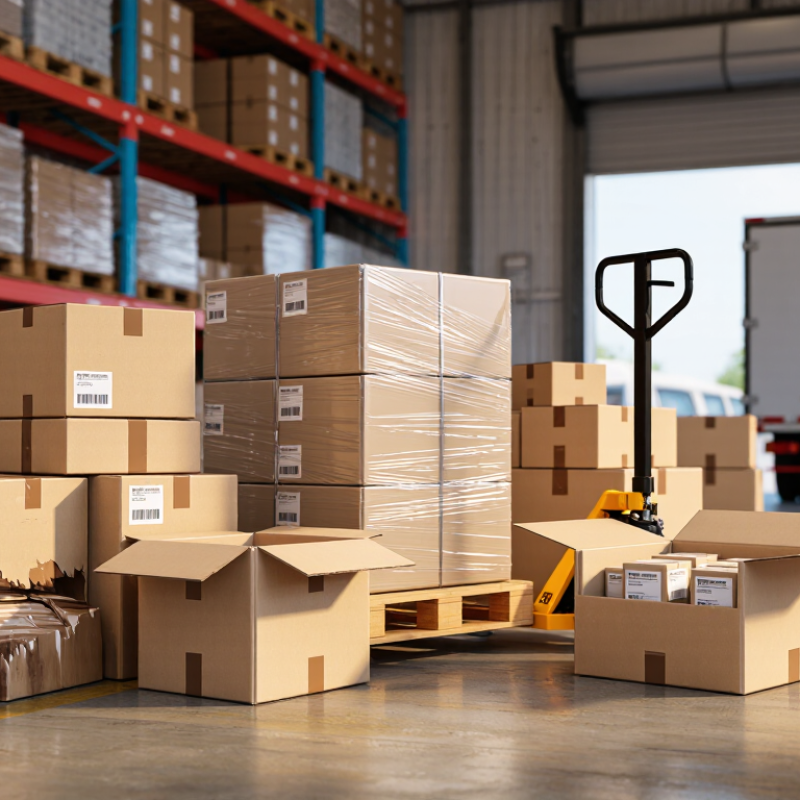
Transit insurance can protect goods against physical loss or damage while they move between locations. Coverage may apply to road, rail, air, or sea transport, depending on the policy. Common risks include vehicle accidents, fire, theft, water damage, and rough handling. A crushed carton or broken seal can create serious financial loss. Insurance may cover repair costs, replacement value, or the declared value of the shipment. The exact settlement depends on policy terms, evidence, and deductibles.
Coverage is not unlimited. Many policies exclude poor packaging, natural wear, delayed delivery, or undisclosed cargo details. Some cover only total loss, while others include partial damage. It is easy to assume that every shipping problem qualifies. That assumption needs checking. Keep invoices, packing lists, photographs, inspection reports, and delivery records. These details help establish the goods’ condition before transport. They also support a fair claim review. In practice, unclear documentation often causes avoidable delays.
Tips: Photograph each box before pickup. Use strong inner protection. Record damaged cartons immediately. Read exclusions carefully. Confirm whether loading and unloading are included. Ask how valuation works before declaring the shipment. A small deductible may reduce the premium, but it increases your out-of-pocket cost. Review the policy when cargo value, route, packaging, or transport method changes. Even careful planning cannot remove every risk.
Sudden braking can push cartons against container walls. Rain, humidity, rough handling, theft, and severe weather can also cause damage or delays.
Use moisture-resistant wrapping when suitable. Check packaging for gaps before loading. Paper, textiles, and electronics can be especially vulnerable.
Cushion fragile items and secure cartons to limit movement. Photograph the packed goods before loading. A label helps, but it is not magic.
Note seal details and visible damage. Keep photographs, invoices, packing lists, and carrier documents together.
It can help cover financial losses from cargo that is damaged, lost, or stolen between collection and delivery. Coverage depends on the policy.
The sales contract and agreed delivery terms determine which party bears the risk. Check those terms before arranging insurance.
Compare the coverage limit with the cargo’s value, route, and handling needs. Review deductibles and exclusions carefully. Small print matters.
Report it promptly and keep the affected packaging for inspection. Clear photographs can help, though they cannot guarantee a claim will be accepted.
Transit insurance helps protect goods from financial loss while they are being moved from one location to another. Depending on the policy, it may cover damage, theft, loss, or other unexpected events during loading, transport, and unloading. Common risks include accidents, severe weather, mishandling, and delays that can leave shipments damaged or missing. By providing compensation when covered losses occur, transit insurance can reduce uncertainty for both shippers and buyers and help prevent one shipment from creating a major financial setback.
How to insure your goods during transit starts with assessing the shipment’s value, route, transport method, packaging, and any special handling needs. These factors, along with the level of protection and deductible selected, can affect the coverage and cost. Compare policy terms carefully, confirm what is excluded, and check when protection begins and ends. Choose cover that fits the goods and journey, then arrange it before dispatch and keep shipment details and relevant records available in case you need to make a claim.

 LG Logistics