Engineered hardware and integrated logistics services driving cross-border trade efficiency between Asian production hubs and European distribution centers.
The European distribution logistics market represents one of the most complex, highly integrated, and technologically advanced ecosystems in the world. Encompassing major trade gateways like the Northern Range ports (Rotterdam, Antwerp, Hamburg) and stretching deep into the inland industrial corridors of Germany, France, and Central Europe, this sector acts as the primary circulatory system for the continent’s €18 trillion economy.
In recent years, the industry has undergone a massive paradigm shift. Driven by structural shifts toward multi-channel retail, strict European Union carbon-neutrality mandates, and rising labor costs, logistics manufacturers and suppliers in Europe are transitioning rapidly toward highly automated, flexible warehouse management systems (WMS) and low-emission distribution networks. In particular, the demand for high-performance localized handling machinery, smart storage racks, and green logistics networks has reached an unprecedented scale.
Compliance with the EU Green Deal requires logistics networks to optimize transport routes, switch to electric or multimodal corridors, and employ insulated materials to cut cooling and heating footprints.
The acute shortage of qualified warehouse labor in Western Europe is driving massive deployment of automated guided vehicles (AGVs), customized steel rack networks, and high-frequency conveyors.
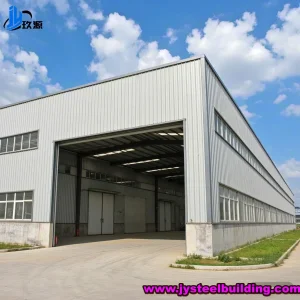
To guard against global supply chain disruptions, European firms are shifting from pure "Just-In-Time" models to "Just-In-Case" strategies, fueling demand for rapid-assembly steel-frame warehouses.
While European suppliers excel in localized engineering and system integration, the global physical infrastructure backbone relies heavily on the peerless manufacturing capabilities of Chinese factories. The strategic integration of Chinese industrial production with European distribution workflows offers unparalleled advantages across three primary domains:
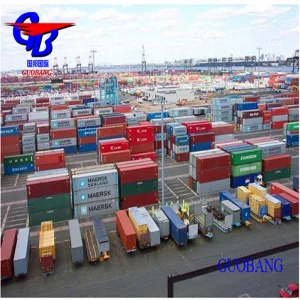
Bridging global manufacturing hubs with seamless, compliant, and cost-effective distribution lines across Western and Central Europe.
Operating under the flagship brand LG SwiftLogix, Shenzhen LG Logistics Co., Ltd. is a premier provider of comprehensive logistics solutions. The company specializes in FBA Amazon shipping, air freight, and sea freight services, having built a formidable reputation for reliability, speed, and efficiency in global e-commerce logistics.
Headquartered in the global logistics hub of Shenzhen, China, LG Logistics leverages its strategic geographic location and advanced supply chain infrastructure to offer seamless shipping solutions for B2B enterprises of all sizes.
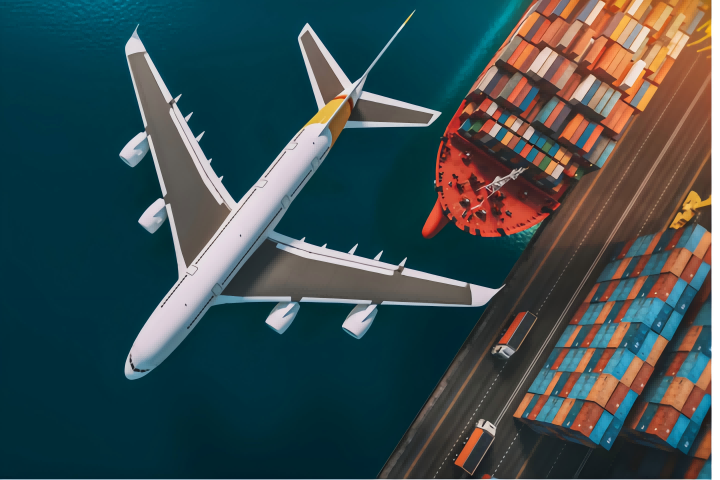
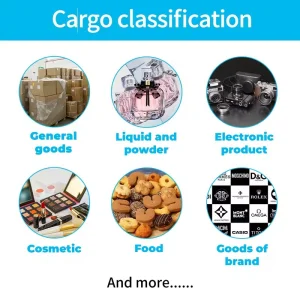
The company’s service portfolio includes end-to-end Amazon FBA preparation and labeling, advanced warehouse management, customs clearance, and dynamic multimodal freight options, including LCL (Less than Container Load) and FCL (Full Container Load) shipping. By integrating smart logistics management systems and real-time tracking, LG SwiftLogix ensures that shipments reach their destinations safely, on time, and cost-effectively.

Committed to supporting cross-border e-commerce, the company provides expert consulting for import/export compliance, risk mitigation, and multi-modal transportation strategies. Through its dedication to excellence, technology-driven operations, and comprehensive logistics expertise, Shenzhen LG Logistics continues to redefine global supply chain solutions, helping clients optimize delivery, reduce costs, and enhance the overall shipping experience.
Understanding the real-world application of logistics components helps purchase managers specify the correct technical requirements. The equipment manufactured in advanced Chinese facilities supports critical touchpoints in the European logistics chain:
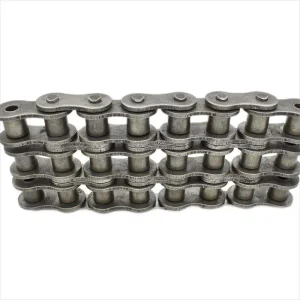
In hubs located in Frankfurt or Warsaw, mechanical conveyors operate 24/7. Standard link carbon steel roller chains must withstand continuous tensile stress, requiring high hardness and wear resistance to avoid costly unplanned sorting line downtime.
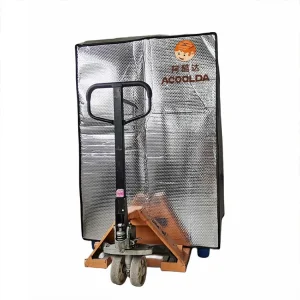
Strict GDP (Good Distribution Practice) guidelines in the EU demand continuous temperature control. Custom thermal insulated roll cage covers provide the necessary heat barrier for sensitive B2B cargo as it moves from regional cold stores to localized urban supermarkets.
High property costs in Paris or London force operators to optimize vertical space. Standardized steel frame warehouses coupled with custom storage racks allow operators to build robust, highly secure multi-layer monitoring and picking spaces.
The landscape of logistics is evolving rapidly, shaped by emerging regulatory policies, advancements in automation technology, and shifting trade routes:
Procuring heavy logistics equipment and global shipping services requires a systematic approach to mitigate risks, reduce total cost of ownership (TCO), and maintain strict regulatory compliance:
Verify that manufacturers hold recognized industry certifications. For automated warehouse hardware, certifications like ISO9001, CE, and RoHS ensure that structural polymers and electrical systems conform to European quality and safety laws.
Work with logistics partners who offer robust DDP (Delivered Duty Paid) and double-clearance customs solutions. This shifts the administrative burden of import compliance, local taxation, and terminal handling to local experts, avoiding delays at ports of entry.
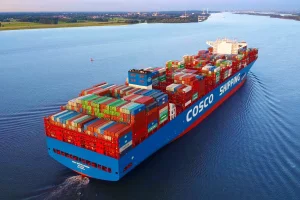
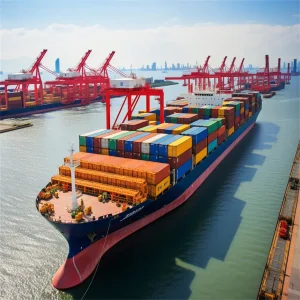
Optimize shipping profiles by combining FCL sea freight for stable replenishment cycles, air cargo for high-value urgent components, and dedicated cross-border small package lines to support drop-shipping operations.
Addressing critical procurement, compliance, and supply chain questions for cross-border logistics operators.
Complete procurement options for B2B supply chains, including dedicated air/sea shipping lines and industrial plastic components.
 LG Logistics