In the contemporary landscape of global manufacturing, the traditional "Just-In-Time" (JIT) replenishment paradigm is being rapidly augmented—and in many cases, replaced—by strategic "Just-In-Case" (JIC) supply chain design. Driven by macroeconomic shifts, geopolitical realignments, and volatile freight pricing, global brand owners and factories require dynamic partners to guarantee physical supply chain continuity.
Global brands are diversifying factory footprints across Southeast Asia, China, and Eastern Europe. Real-time route optimization and multi-modal diversification (rail, sea, and air combinations) are critical to maintaining stable lead times.
Resilience requires strategic inventory staging at origin hubs. Strategic consolidation centers, bulk cross-docking, and container freight stations (CFS) prevent upstream materials delays from stopping assembly lines down the road.
Varying customs mandates (such as strict HTS classifications, EU Import Control System 2 (ICS2), and regional trade regulations) demand pre-vetted compliance frameworks. Clean declarations minimize detention and demurrage liabilities.
OEM/ODM supply chains require logistics operators that don't simply shift containers, but integrate seamlessly with the production cycles of factories. The connection between physical supply chain visibility, warehousing safety buffers, and dynamic shipping allocation constitutes the foundation of operational continuity.
Industrial components, raw materials, and finished retail goods require dedicated shipping pipelines customized by weight, transit time priority, and tariff optimization. Global procurement managers demand multi-channel distribution models that prevent supply chain single points of failure.
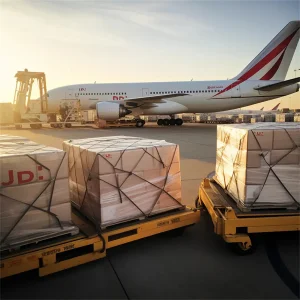
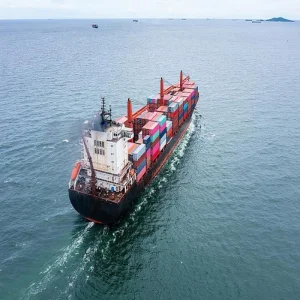
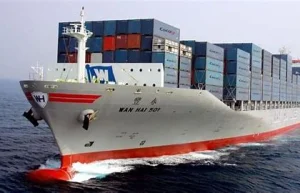
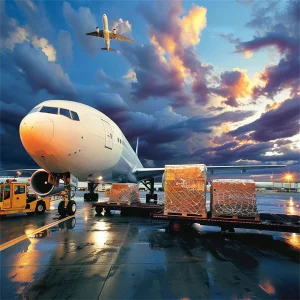
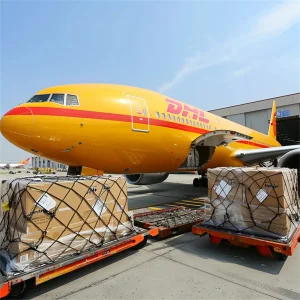
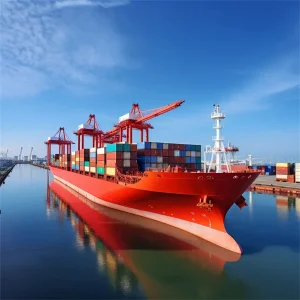
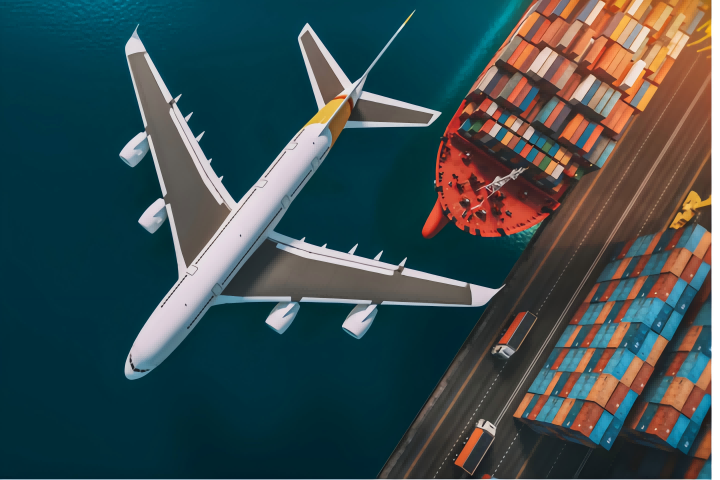
By deploying mixed ocean FCL (Full Container Load), air freight consolidation, and cross-border rail solutions, enterprises achieve a dynamic balance between transport cost-per-unit and overall delivery reliability. Through standardized transit schedules and pre-cleared custom gates, manufacturers are insulated against peak-season shipping surcharges and space crunches.
Operating across multiple trade routes requires distinct customs frameworks. Providing clear Delivered Duty Paid (DDP) solutions takes the regulatory and customs burden off the importer of record. This prevents administrative hold-ups at borders, ensuring that import tariffs, VAT, and custom clearance costs are handled before the cargo touches down at destination ports.
Handling the last mile requires local physical assets. By maintaining access to dedicated Container Freight Stations (CFS) and bonded warehouse spaces near major destinations (such as the UK, Germany, USA, Belgium, and regional African ports like Mombasa), incoming goods are de-consolidated and routed to their end-user or Amazon fulfillment center without delays.
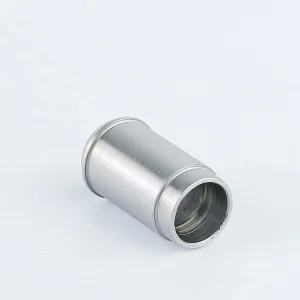
Industrial components, cold chain elements (like industrial evaporators), and Dangerous Goods (D.G.) demand specialized handling procedures. Certified teams oversee chemical, battery-operated, and temperature-controlled materials from pickup to final door-to-door delivery, complying with strict international aviation and maritime standards.
E-commerce supply chains rely on quick turnaround times. Dedicated Amazon FBA services, including custom labelling, product kitting, carton packing, and palletizing, ensure that inbound stock complies perfectly with Amazon's rigorous receiving requirements, avoiding chargebacks and cargo refusal.

Shenzhen LG Logistics Co., Ltd. is a premier provider of comprehensive logistics solutions, specializing in FBA Amazon shipping, air freight, and sea freight services.
Operating under its flagship brand LG SwiftLogix, the company has built a reputation for reliability, speed, and efficiency in global e-commerce logistics. Headquartered in Shenzhen, China, LG Logistics leverages its strategic location and advanced supply chain infrastructure to offer seamless shipping solutions for businesses of all sizes.
The company’s service portfolio includes Amazon FBA preparation and labeling, warehouse management, customs clearance, and both air and sea freight options, including LCL (Less than Container Load) and FCL (Full Container Load) shipping. By integrating smart logistics management systems and real-time tracking, Shenzhen LG Logistics ensures that shipments reach their destinations safely, on time, and cost-effectively.
Committed to supporting cross-border e-commerce, the company provides expert consulting for import/export compliance, risk management, and multi-modal transportation strategies. With a focus on customer satisfaction, operational efficiency, and innovative logistics solutions, Shenzhen LG Logistics Co., Ltd. empowers businesses to expand globally with confidence.
Through its dedication to excellence, technology-driven operations, and comprehensive logistics expertise, Shenzhen LG Logistics continues to redefine global supply chain solutions, helping clients optimize delivery, reduce costs, and enhance the overall shipping experience.
Building next-generation supply chain resilience requires constant innovation. Our tech roadmap outlines the key steps we are taking to modernize cross-border transport.
Integrating real-time temperature, humidity, and location tracking for temperature-controlled units and industrial hardware. This provides shippers with full visibility over critical supply chain variables.
Using advanced algorithms to evaluate weather conditions, port delays, and historical customs processing times to dynamically suggest the fastest, most reliable transport routes.
Providing detailed reporting on carbon emissions for sea, rail, and air transport. This helps multinational companies meet their environmental sustainability goals (Scope 3).
 LG Logistics