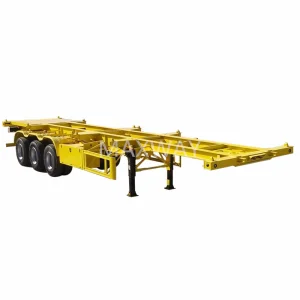
Premium solutions ranging from heavy-duty industrial machinery to streamlined e-commerce fulfillment options.
How the intersection of technology, geopolitical shifting, and high-frequency demand is reshaping the logistics landscape.
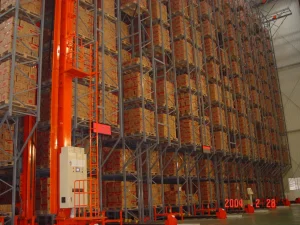
Modern retail requires unified stock counts across physical stores, B2B wholesale channels, and e-commerce platforms like Amazon FBA, Shopify, and TikTok Shop. Today's USA fulfillment network relies on seamless data synchronization to dynamically route inventory to optimal regional nodes, dropping warehousing friction to near-zero.
Consumer expectations have transitioned from standard 3-5 day shipping to guaranteed same-day or next-day delivery. This has led to the proliferation of micro-fulfillment centers (MFCs) located inside urban boundaries. High-density storage and localized courier dispatch mechanisms have become imperative for retaining brand loyalty.
Eco-friendly shipping is no longer just a marketing point—it is a procurement requirement. Enterprise buyers actively target fulfillment services that implement routing optimization software to minimize carbon emissions, utilize biodegradable packaging materials, and integrate electric vehicle fleets for last-mile transit.
Analyzing the core vulnerabilities and mandatory milestones in cross-border supply chains.
In the highly competitive e-commerce and B2B industrial landscapes, sourcing departments face a constant battle: balancing speed, regulatory compliance, and bottom-line stability. Establishing a footprint in the USA market requires more than just booking standard ocean or air freight; it calls for a deep integration of DDP (Delivered Duty Paid) processes, customs brokerages, bonded warehousing, and last-mile delivery partners.
Global procurement teams now prioritize partners who offer direct visibility. A typical import challenge involves Customs Clearance & Compliance. Navigating the complex tax codes, Section 301 tariffs, FDA registrations, and C-TPAT (Customs-Trade Partnership Against Terrorism) protocols demands specialized personnel. An exporter that acts as a single-window solution, resolving these regulatory checkpoints, is highly valued over standard freight agents.
Additionally, physical cargo integrity is critical. From moisture damage during transit in LCL configurations to handling shock vulnerabilities in agricultural equipment, suppliers must employ comprehensive packaging, moisture-barrier controls, and sensor-based telematics tracking. Ultimately, modern supply chains require a logistics partner that does not merely ship containers but actively orchestrates end-to-end resilience.
Pioneering automation, real-time supply chain monitoring, and end-to-end integration via the LG SwiftLogix operational engine.
Premier Logistics Provider
Shenzhen LG Logistics Co., Ltd. is a premier provider of comprehensive logistics solutions, specializing in FBA Amazon shipping, air freight, and sea freight services. Operating under its flagship brand LG SwiftLogix, the company has built a reputation for reliability, speed, and efficiency in global e-commerce logistics. Headquartered in Shenzhen, China, LG Logistics leverages its strategic location and advanced supply chain infrastructure to offer seamless shipping solutions for businesses of all sizes.
The company’s service portfolio includes Amazon FBA preparation and labeling, warehouse management, customs clearance, and both air and sea freight options, including LCL (Less than Container Load) and FCL (Full Container Load) shipping. By integrating smart logistics management systems and real-time tracking, Shenzhen LG Logistics ensures that shipments reach their destinations safely, on time, and cost-effectively.
Committed to supporting cross-border e-commerce, the company provides expert consulting for import/export compliance, risk management, and multi-modal transportation strategies. With a focus on customer satisfaction, operational efficiency, and innovative logistics solutions, Shenzhen LG Logistics Co., Ltd. empowers businesses to expand globally with confidence. Through its dedication to excellence, technology-driven operations, and comprehensive logistics expertise, Shenzhen LG Logistics continues to redefine global supply chain solutions, helping clients optimize delivery, reduce costs, and enhance the overall shipping experience.
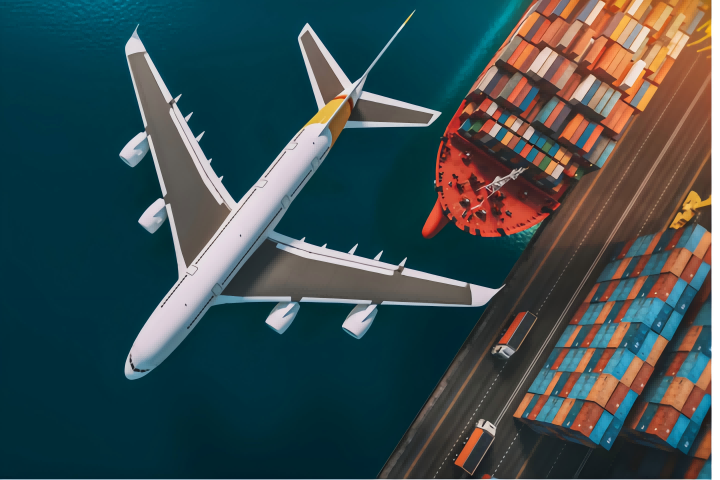
Navigating complex international shipping corridors, port congestions, and modern multimodal transportation networks.
The contemporary global trade landscape is subject to rapid, unpredictable fluctuations. Geopolitical events, volatile fuel surcharges, ocean freight carrier alliances, and domestic port labor issues create a challenging operating environment. In the Trans-Pacific lane—the world’s busiest commercial corridor—efficient routing is critical to maintaining a competitive edge.
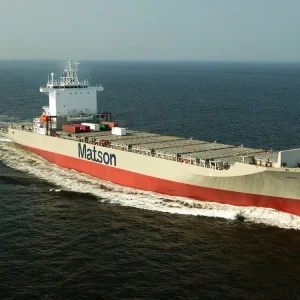
To mitigate delays at traditional entry points like the Ports of Los Angeles and Long Beach, advanced logistics practitioners utilize multi-gateway injection models. By routing vessels through Northwest ports (Seattle/Tacoma) or Gulf Coast and East Coast gateways (Houston, Savannah, New York), companies can bypass localized bottlenecks. Implementing a dynamic inland distribution model allows brands to route imports directly to regional hubs closer to their final customer base.
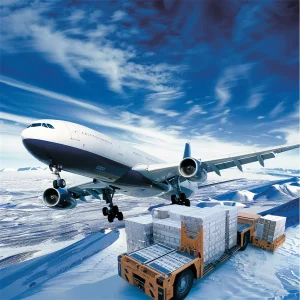
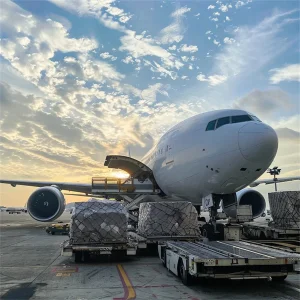
Furthermore, the consolidation of air and sea freight cargo plays a pivotal role in optimizing operational budgets. Consolidators pool shipments from various manufacturing units in industrial zones, such as the Pearl River Delta, to fill ocean containers. This approach offers smaller businesses the cost benefits of Full Container Load (FCL) shipping. Under this framework, having access to real-time track-and-trace systems, predictive arrival planning, and fast customs clearance is essential to managing modern supply chains.
From digital e-commerce stores to heavy industrial installations: practical applications of structured logistics.
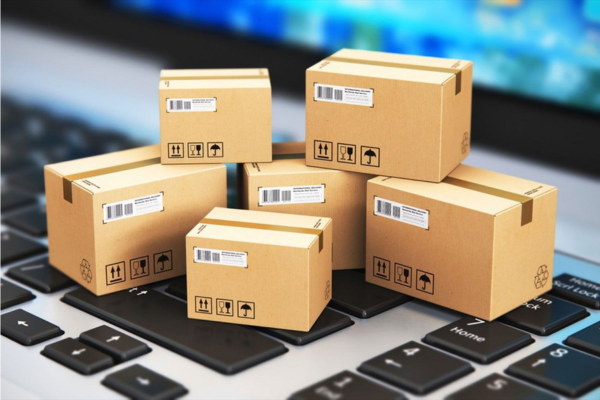
E-commerce sellers rely on fast intake at Amazon fulfillment centers. Prior to shipping, products must undergo rigorous inspection, dynamic barcode labeling, polybagging, and palletization that complies with Amazon's strict requirements. Failing to meet these standards can result in penalties or cargo rejection.
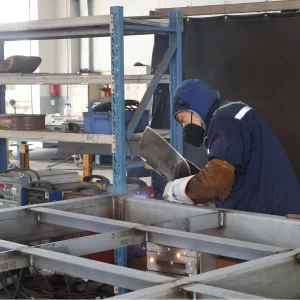
Shipping oversized cargo, such as agricultural tractors, water storage infrastructure, or custom welded industrial parts, requires specialized transport solutions. This includes flat-rack container allocations, heavy-duty lashing, open-top transport systems, and roll-on/roll-off (Ro-Ro) configurations to ensure safe, secure arrival.
For mid-sized distributors importing consumer products—such as kitchenware or apparel—the administrative overhead of customs clearance can be a barrier. DDP shipping solutions simplify this process by bundling freight, customs brokerage, import duties, and local delivery into a single, flat fee.
Detailed answers to critical technical questions regarding cross-border supply chains, customs clearance, and logistics operations.
Explore our specialized cargo freight systems, consumer goods manufacturing, and global transport components.
 LG Logistics