Direct routes and multimodal connections serving Bata Port, Malabo Port, and neighboring Central African hubs.
Equatorial Guinea, located on the west coast of Central Africa, consists of a mainland region (Río Muni) and an insular region (Bioko Island, home to the capital, Malabo). As a significant oil producer in the Gulf of Guinea, the country has traditionally relied heavily on the hydrocarbons sector. However, under the national developmental blueprint "Horizonte 2035", the government is aggressively pursuing economic diversification, aiming to stimulate sectors such as agriculture, fisheries, manufacturing, and local infrastructure.
This structural pivot relies extensively on international trade. For Small and Medium Enterprises (SMEs) and heavy industries alike, importing spare parts, agricultural equipment, construction materials, and consumer packaged goods is vital. LCL (Less than Container Load) shipping plays a pivotal role here, offering a cost-effective entryway for importers who do not have the volume to justify full container shipments but require high-frequency, reliable supply lines.
Malabo Port (Port of Malabo, Bioko Island) and Bata Port (Port of Bata, mainland Río Muni) serve as the twin anchors of the country's maritime commerce. Efficient ocean freight routing relies on understanding which port best serves your ultimate land destination inside Equatorial Guinea.
How businesses in Equatorial Guinea optimize their cash flow and supply chains using Less than Container Load services.
Offshore extraction sites require regular but highly specific shipments of mechanical replacement parts, valves, specialized lubricants, and safety gear. Air freight for heavy components is cost-prohibitive, while FCL introduces long storage wait times. LCL consolidation provides a weekly schedule to transport precision items securely with optimal timing.
As digital infrastructure expands across Malabo and Bata, telecommunication firms regularly source networking switches, optical cables, and terminal devices from China. LCL allows phased rollouts where equipment is shipped in batches to match construction milestones, reducing warehousing costs at target destinations.
SMEs importing consumer items, apparel, and electronics rely on frequent LCL shipments to maintain fresh inventory. This avoids tying up capital in massive FCL stockpiles and allows retailers to respond quickly to changing local demand dynamics.
While massive projects use bulk shipping for cement and steel, specialized finishes, lighting fixtures, plumbing systems, and high-end materials are consolidated via LCL to ensure they arrive undamaged and on time for installation phases.
Years Logistics Experience
CEMAC Compliance Rate
China Loading Ports
AI-Powered Tracking
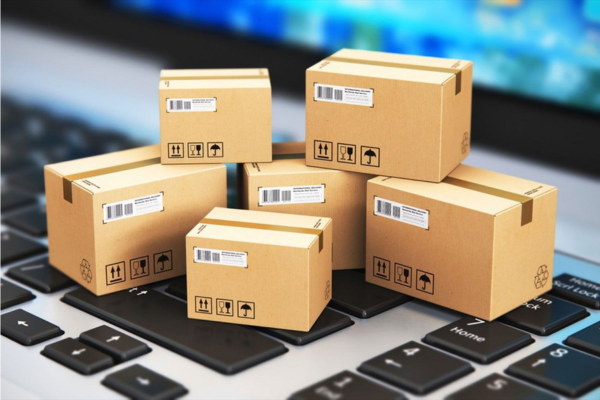
Shenzhen, Ningbo, and Shanghai host the world's most dense cluster of manufacturing and export infrastructure. China’s supply chain resilience is rooted in its highly integrated production ecosystems. For example, a single procurement order can involve components sourced from dozens of specialized factories across Shenzhen or Guangzhou, assembled and packaged within days.
For buyers in Equatorial Guinea, the biggest challenge is organizing these fragmented sourcing orders. As a leading logistics operator under our brand LG SwiftLogix (Shenzhen LG Logistics Co., Ltd.), we resolve this through strategic domestic cargo consolidation. We consolidate multiple vendors into a single LCL shipment at our primary warehouses in Shenzhen, providing:
The integration of digital technology to solve legacy logistics pain points in West and Central Africa.
Historically, LCL scheduling was manual, leading to delays when containers could not be filled. Today, predictive logistics algorithms forecast cargo volumes on specific lanes, ensuring container consolidation reaches critical mass weekly. This translates to reliable departures for Malabo and Bata without cargo sitting indefinitely in China CFS hubs.
Real-time GPS tracking combined with port API integrations allows importers to monitor transit phases from Shanghai to transshipment hubs like Kribi, Douala, or Las Palmas, straight to the destination terminal. Automated alerts forecast potential customs delays or port congestion surcharges, allowing proactive logistics rerouting.
Decarbonization is reshaping maritime transport. LCL inherently maximizes container utilization rates, reducing the carbon footprint per ton of cargo. Moving forward, carbon auditing tools will allow importers in Equatorial Guinea to track emissions metrics for compliance with emerging corporate sustainability requirements.
Navigating the customs environment in Central Africa is complex. Equatorial Guinea, as a member of the Central African Economic and Monetary Community (CEMAC), adheres to specific customs and tariff regimes. Standard customs operations require meticulous attention to detail to avoid severe fines, cargo detentions, and demurrage fees.
LG Logistics provides deep localized support covering all regulatory standards:
"Importers must balance transit times against port clearance rates. In Equatorial Guinea, Bata Port provides efficient highway connectivity to the Río Muni mainland, whereas Malabo is the essential entry point for the island economy. Consolidating cargo with a freight forwarder that understands local administrative processes ensures clearance runs smoothly within 3 to 5 business days after cargo discharge."
Answering operational and compliance queries for shippers exporting from China to Equatorial Guinea.
A: Typically, transit times range from 35 to 50 days, depending on the route and transshipment port. Cargo loaded in Shenzhen or Ningbo is usually transshipped via hubs like Algeciras, Las Palmas, or Kribi before reaching Malabo or Bata ports.
A: Yes, the Electronic Cargo Tracking Note (ECTN), also known as BESC (Bordereau Électronique de Suivi des Cargaisons), is mandatory for all sea shipments entering Equatorial Guinea. Cargo arriving without a validated ECTN cannot clear customs and faces heavy penalties.
A: LCL rates are calculated based on volume or weight, whichever is greater, measured in CBM (Cubic Meters) or MT (Metric Tons). The standard ratio is 1 CBM = 1,000 kg. There are also local terminal handling charges (OTHC at origin, DTHC at destination) and documentation fees.
A: Under DDP (Delivered Duty Paid), the shipper handles all transportation, origin/destination fees, and import duties/taxes. Under DDU/DAP (Delivered Duty Unpaid), the importer handles local customs duties and VAT, while the logistics provider manages carriage to the designated location.
A: Yes, but it is subject to carrier acceptance and strict IMO declarations. Batteries, chemicals, and flammable goods require Material Safety Data Sheets (MSDS) and UN-compliant packaging. Not all weekly consolidation containers accept HAZMAT.
A: Yes. Our flagship service, LG SwiftLogix, operates consolidation warehouses in Shenzhen, Guangzhou, and Yiwu. We receive items from your suppliers, consolidate them into one shipping file, and manage all export clearance tasks under a single Bill of Lading.
A: We use precise cargo planning software to organize stacking: heavy items form the base, while lighter products go on top. We also utilize cargo blocking, bracing, and shrink-wrapping to prevent movement during sea transport.
A: Yes, pre-shipment inspection via Bureau Veritas (BIVAC) is typically required for imports. It verifies the classification, price, and quality of goods to ensure compliance with Equatorial Guinea regulations.
Retaining original shipping paths and logistics products adapted to serve Malabo and Bata markets.
Connect with our engineering and logistics specialists for customized tariff assessments, container load planning, and door-to-door (DDP/DDU) quotes.
Send Inquiry Now LG Logistics