Expertise, Connectivity, and Supply Chain Resilience for the Cambodian Market
In the rapidly maturing Cambodian economy, supply chain agility is no longer an advantage—it is a necessity. As Cambodia shifts from a base-level textile producer to a more diversified industrial player, small-to-medium enterprises (SMEs) and large-scale importers alike require specialized, cost-effective freight solutions. LCL (Less than Container Load) shipping represents the critical link for businesses that need to manage inventory turn rates without the capital burden of booking entire 40ft containers.
At Shenzhen LG Logistics (LG SwiftLogix), we recognize that the Cambodian logistics landscape demands a blend of high-frequency connectivity and local compliance expertise. Our whitepaper analysis indicates that by optimizing LCL consolidation, Cambodian businesses can reduce their overheads by up to 30%, allowing capital to be reinvested into growth and local market infrastructure.
The "China 4.0" initiative has transformed the manufacturing landscape. Our LCL services integrate directly with digitized factories across China, ensuring that your goods are not only moved but are part of a transparent, data-driven journey. With AI-enhanced packing algorithms and digital cargo manifesting, LG SwiftLogix minimizes volumetric inefficiencies that often plague traditional shipping.
Importing into Cambodia requires navigation of specific trade frameworks and customs requirements. Our team offers dedicated consulting on the Cambodia-China Free Trade Agreement (CCFTA) and RCEP (Regional Comprehensive Economic Partnership) utilization. We ensure that your LCL shipments are documented correctly to leverage tax exemptions or reduced tariffs, effectively managing the compliance landscape so you don't have to.
Whether you are moving textile machinery, electronics components, or FMCG goods, our brokerage services in Cambodia provide the local ground support necessary to clear customs with zero friction.
Send Inquiry NowThe future of shipping to Cambodia is digital. As we expand our infrastructure, we are integrating blockchain for documentation validation and IoT sensors for perishable goods transit. The goal is a seamless "door-to-door" capability that treats LCL shipping with the security and priority typically reserved for high-value FCL (Full Container Load) shipments.
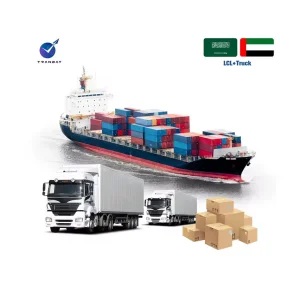
LCL is ideal for businesses that do not have enough volume to fill a container. It allows you to pay only for the space you use, improving cash flow and allowing more frequent inventory restock.
Transit times vary based on the specific route (e.g., via Sihanoukville Port). Generally, sea freight takes 10-18 days. We provide precise scheduling during the quoting phase.
We provide full customs brokerage services, handling documentation, HS code classification, and tax calculation to ensure your cargo complies with all local Cambodian regulations.
 LG Logistics