As the primary gateway to the Southern African Development Community (SADC), Namibia's maritime corridors are experiencing a profound technological and infrastructure-driven renaissance. The Port of Walvis Bay, managed by the Namibian Ports Authority (Namport), stands as one of the continent's most modern, secure, and operationally efficient deepwater ports. Spurred by expansions and the development of the new container terminal, Namibia now offers strategic transit pathways bypass congested alternative ports in neighboring nations.
Importers and international developers rely heavily on a highly coordinated logistics framework linking direct China-Africa shipping routes to inland hubs such as Windhoek, and onward via the Trans-Kalahari and Trans-Caprivi corridors. This intermodal connectivity establishes Namibia not only as an end destination for industrial products but as the prime transit point for landlocked SADC economies including Botswana, Zimbabwe, Zambia, and the Democratic Republic of Congo.
For organizations sourcing capital equipment, mining machinery, structural components, and high-turnover consumer goods, partnering with a forwarder that possesses localized customs capabilities and extensive Chinese seaport integrations is critical for mitigating operational risks and tariff friction.
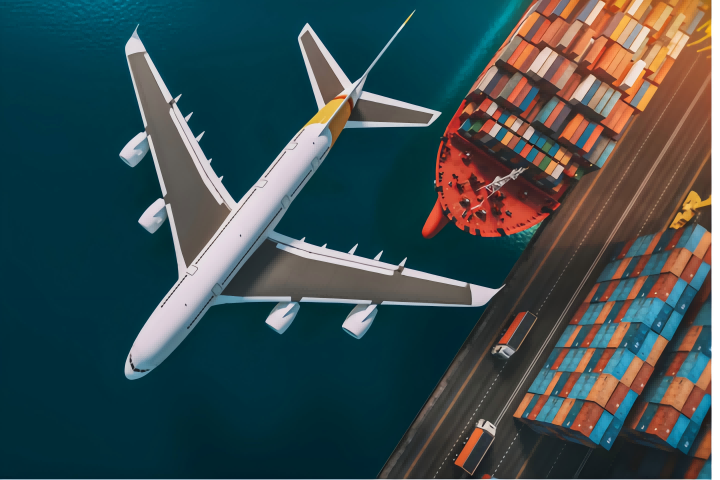
Namibia's commercial sectors are dominated by mining (comprising uranium, diamonds, gold, copper, and critical rare-earth minerals), renewable energy infrastructure development, and a growing consumer market requiring import diversification. The rapid expansion of mining developments, such as Husab Uranium Mine and lithium prospecting projects, demands highly specialized logistics solutions capable of handling heavy machinery, specialized chemical reagents, and continuous infrastructure supply chains.
Parallel to the extraction industries, the Namibian green energy revolution is driving a surge in solar panels, battery storage systems, and wind turbine imports. The vast majority of this infrastructure originates from high-tech production regions in Shenzhen, Ningbo, and Shanghai. Simultaneously, local retail conglomerates, processing facilities, and agricultural cooperatives require steady, cost-efficient, and temperature-controlled shipments to support Namibia's domestic consumer distribution network.
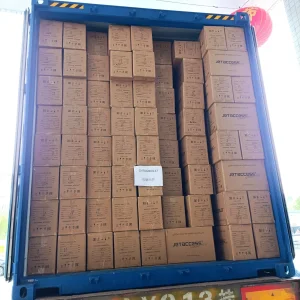
Navigating this complex cargo environment requires deep operational knowledge. At LG SwiftLogix, we optimize container fill rates (consolidating LCL cargo) and coordinate project-specific FCL programs, securing seamless transport of both bulk commodities and fragile electronics.
The synergy between Chinese manufacturing hubs and African distribution points forms the backbone of modern developing markets. Chinese logistics hubs like Shenzhen, Shanghai, and Ningbo offer competitive advantages in procurement consolidation and freight forwarding operations. When importing to Namibia, sourcing through centralized Chinese factories allows businesses to leverage advanced cargo grouping services.
Shenzhen LG Logistics Co., Ltd., operating under its signature brand LG SwiftLogix, harnesses the geographic and infrastructure power of its Shenzhen headquarters. By utilizing strategic warehousing in key Chinese shipping zones, we provide direct consolidation, custom crating, dynamic labeling, and multi-vendor coordination before goods ever reach the ship. This structure cuts overseas handling fees, reduces transit damages, and prevents custom clearance holdups at destination ports like Walvis Bay.
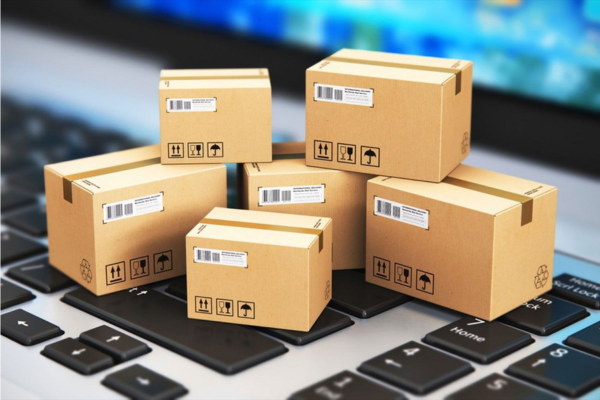
Navigating Namibia’s unique geography requires intermodal shipping strategies that extend far beyond the harbor waters of Walvis Bay. At LG SwiftLogix, we combine maritime ocean freight with rapid-transit inland trucking services to address specific regional use cases.
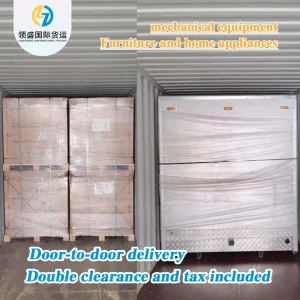
For mining sites in the arid Karibib, Erongo, or Otjozondjupa regions, we run continuous FCL flows carrying drilling parts and specialized chemicals. For industrial importers supplying markets in Windhoek’s northern industrial area, our DDP and DDU services provide a hands-off, door-to-door option. Additionally, our transit-routing programs facilitate swift border crossings at the Trans-Kalahari border to Gaborone, Botswana, and northern routes into Lusaka, Zambia.
Our localized networks manage port clearance, NamRA tariff assessments, bond guarantees, and secure transport over long distances to safeguard high-value goods throughout their journey.
The international maritime landscape is evolving rapidly, driven by strict environmental guidelines and advanced automation. Namibia is actively positioning Walvis Bay as a leading hub for green hydrogen production and zero-emission shipping logistics. For global procurement specialists, building a supply chain prepared for these changes is essential.
At the same time, supply chain visibility has shifted from a premium add-on to a core requirement. Modern freight forwarding utilizes automated platforms to monitor temperature parameters, vibration metrics, and exact GPS positions. LG SwiftLogix remains at the forefront of this digital shift, combining IoT monitoring with automated customs filing. This ensures that cargo moving between China, Namibia, and neighboring landlocked countries stays secure, verifiable, and compliant with international ESG standards.
Standard sea freight transit times from major Chinese hubs like Shenzhen, Shanghai, or Ningbo to Walvis Bay generally range from 30 to 45 days. This timeline includes departure port custom clearing, direct ocean transit, and arrival routing. Actual transit times can vary based on ocean currents, transshipment hubs (such as Singapore or Durban), and specific carrier rotations.
The choice depends on shipment volume, budget, and urgency. Full Container Load (FCL) is most cost-effective for shipments exceeding 15 cubic meters (CBM) and offers faster transit times since the container goes directly to your destination. Less than Container Load (LCL) consolidates smaller shipments into a single container, making it ideal for lighter volumes, though it requires extra days for consolidation and deconsolidation.
Standard documentation required for imports includes a commercial invoice, a detailed packing list, the original Bill of Lading (B/L) or Sea Waybill, an import permit (for controlled items), a certificate of origin, and a customs declaration (SAD 500). Depending on the goods, specialized technical permits from the Namibian Standards Institution (NSI) may also be required.
Yes. By utilizing the Walvis Bay Corridor network, we provide comprehensive intermodal shipping (sea-to-land) and customs clearance from Walvis Bay to landlocked SADC economies, including Botswana (via the Trans-Kalahari Corridor), Zambia, and Zimbabwe.
We leverage specialized equipment—including flat rack containers, open-top containers, and Roll-on/Roll-off (Ro-Ro) vessels—to ship oversized heavy cargo. Our project logistics team supervises the loading, securing, and transport of mining and industrial equipment to ensure safety and compliance.
Absolutely. At our central warehouses in Shenzhen, Ningbo, and Shanghai, we offer consolidation services. We receive cargo from different suppliers, perform quality checks, repack when necessary, and load the goods into a single FCL container to optimize shipping costs.
Walvis Bay Port offers minimal congestion, faster customs clearance, and high security compared to other regional options. The port connects directly to well-maintained highways, facilitating rapid transit times to inland southern African hubs.
We provide full cargo insurance coverage, utilize tracking devices to monitor shipping conditions in real time, and enforce strict security procedures during cross-border road transit to secure shipments from origin to destination.
 LG Logistics