Sudan, located at the crossroads of Sub-Saharan Africa and the Middle East, represents one of the most dynamic, yet complex, logistics landscapes in the world today. As the country focuses on rebuilding its industrial base—specifically in agriculture, mining, and light manufacturing—the demand for highly optimized supply chains has never been higher. For global suppliers and logistics partners, the Sudan market requires more than just transportation; it demands a deep understanding of Port Sudan's capacity, the Nile transport corridors, and the evolving regulatory environment.
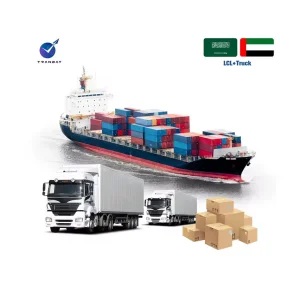
In Khartoum, Omdurman, and the industrial zones of Port Sudan, businesses are shifting toward a lean inventory model. Traditional Full Container Load (FCL) shipping often ties up excessive capital for Sudanese SMEs. This is where Less than Container Load (LCL) Shipping becomes the primary engine of growth. By allowing multiple importers to share container space, LCL enables Sudanese businesses to maintain continuous stock flow without the high overhead of warehousing massive volumes.
Current industrial trends in Sudan show a surge in the import of solar energy components, agricultural machinery parts, and pharmaceutical raw materials. These high-value, medium-volume goods are perfectly suited for our LG SwiftLogix LCL consolidation services, ensuring that even small-scale projects in rural Sudan receive the same efficiency as large-scale infrastructure operations.
China remains Sudan’s largest trading partner for manufactured goods. The efficiency of Shenzhen LG Logistics Co., Ltd. (operating as LG SwiftLogix) stems from our strategic location in the Greater Bay Area. By consolidating goods directly from factories in Guangdong, Zhejiang, and Jiangsu, we eliminate the "middleman lag" that typically plagues Africa-bound cargo.
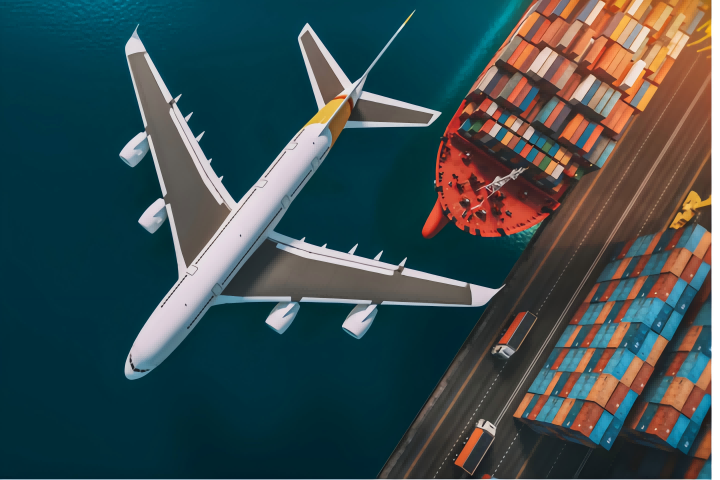
Globally, supply chains are moving toward "diversification." For Sudan, this means becoming a vital link in the "Red Sea Corridor." As global enterprises look to de-risk their supply chains, having a reliable logistics supplier who understands the specific nuances of Sudanese customs (such as the Zakat and Tax requirements, and the Electronic Cargo Tracking System) is a competitive necessity. We provide Information Gain by offering predictive analytics on port congestion and currency fluctuations that affect landed costs in Sudan.
Shenzhen LG Logistics Co., Ltd. is not just a freight forwarder; we are supply chain architects. With decades of combined experience in the MENA and African markets, we bring Authoritativeness and Reliability to every cubic meter of cargo.
Our flagship brand, LG SwiftLogix, specializes in navigating the high-stakes environment of global e-commerce. Whether it's Amazon FBA preparation for global sellers or LCL consolidation for Khartoum's industrial distributors, our operational efficiency reduces transit risks significantly. We provide expert consulting for import/export compliance, risk management, and multi-modal transportation strategies, ensuring Sudanese businesses can expand with confidence.
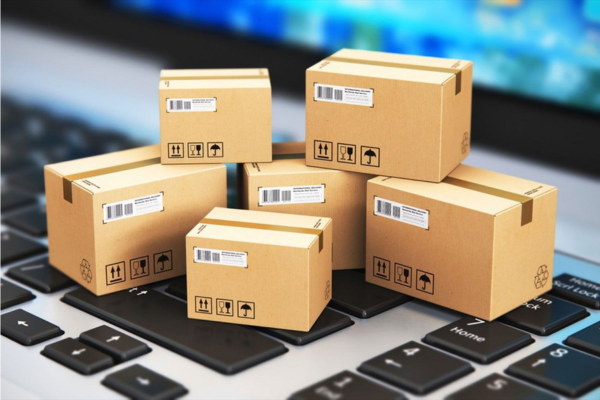
Imagine a scenario where a Sudanese construction firm needs specialized plumbing fixtures from Foshan and electrical components from Ningbo. Using standard FCL, the cost would be prohibitive for the project's current phase. LG SwiftLogix LCL Service allows these components to be shipped weekly, ensuring that construction timelines in Khartoum remain on track without over-extending the budget.
 LG Logistics