Latest Low Investment Fully Automatic Turnkey 98% Lysine Production Line Machinery
Lysine is one of the essential amino acids for humans and mammals. It plays a critical role in promoting growth, strengthening immunity, and aiding nutrient absorption.
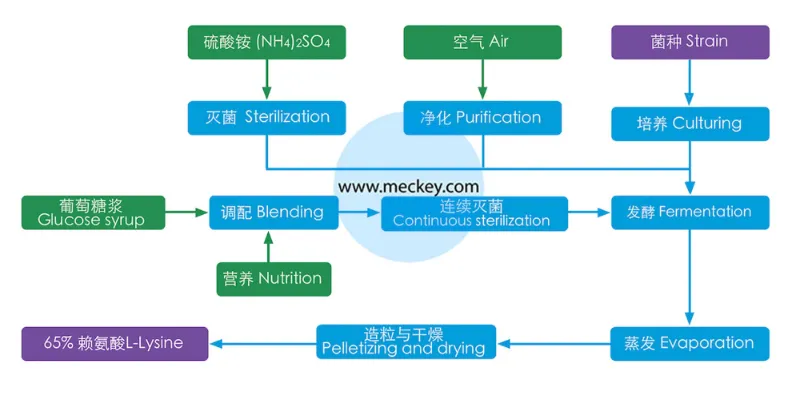
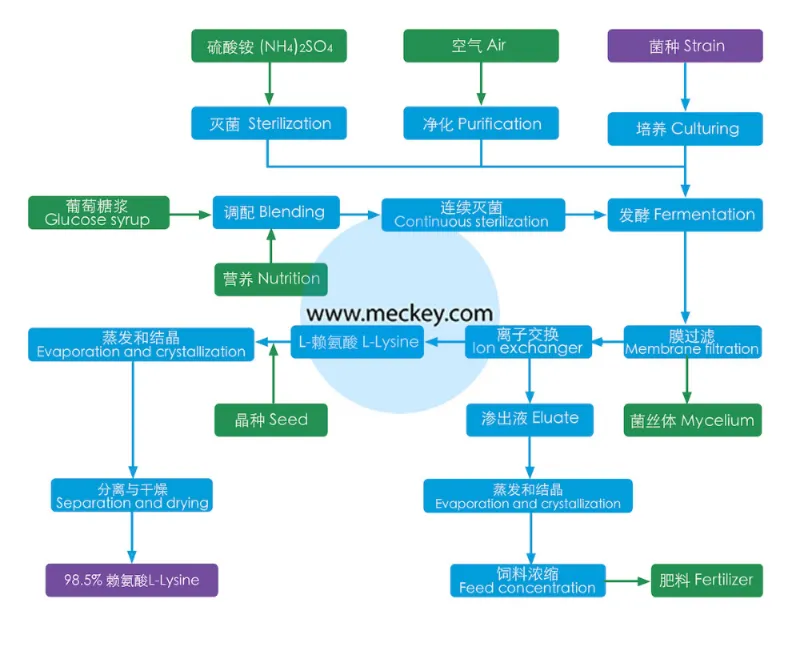
1Material blending: Auxiliary materials like CSL, molasses, and salt are added to glucose, followed by continuous sterilization.
2Air preparation: Use of oil-free screw air compressors and multi-stage filters to ensure sterile air for fermentation.
3Strain preparation: Corynebacterium glutamicum is selected and cultured for 45 hours.
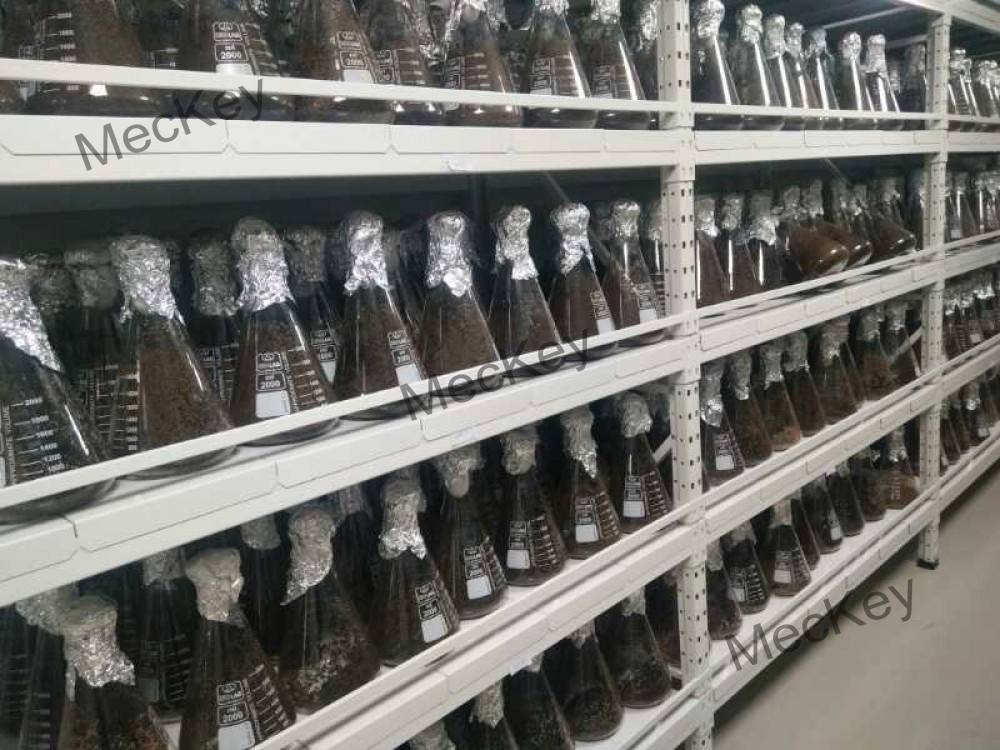
4Seed preparation: Culturing moves from flasks to seed tanks with air and hydrolysate support.
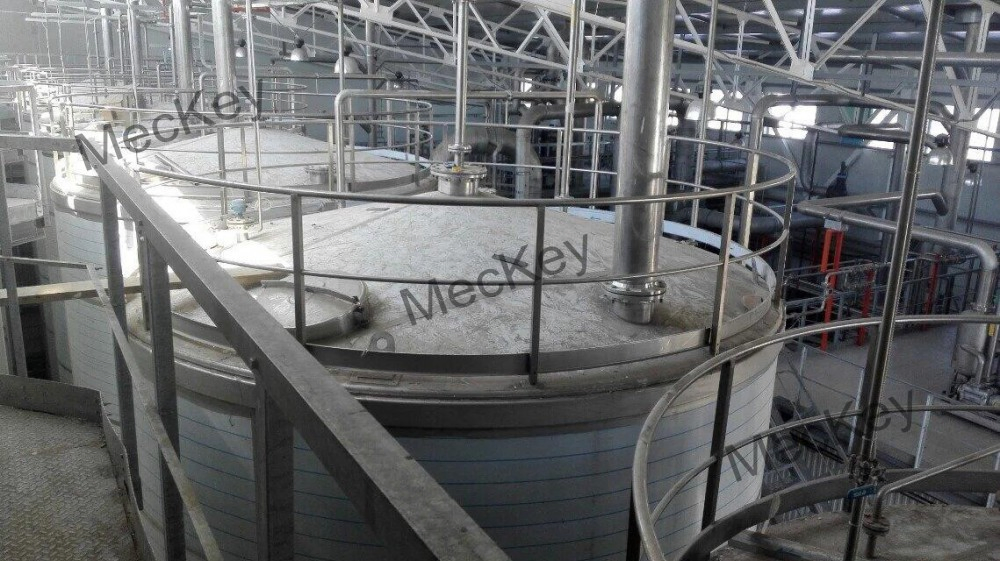
5Fermentation: Conducted in specialized fermentors with controlled aeration, temperature, and pH.
6Mycelium separation: Micro-filtration is used to separate mycelium for nutrient feed production.
7Decolorization: Active carbon treatment removes foreign colors from the solution.
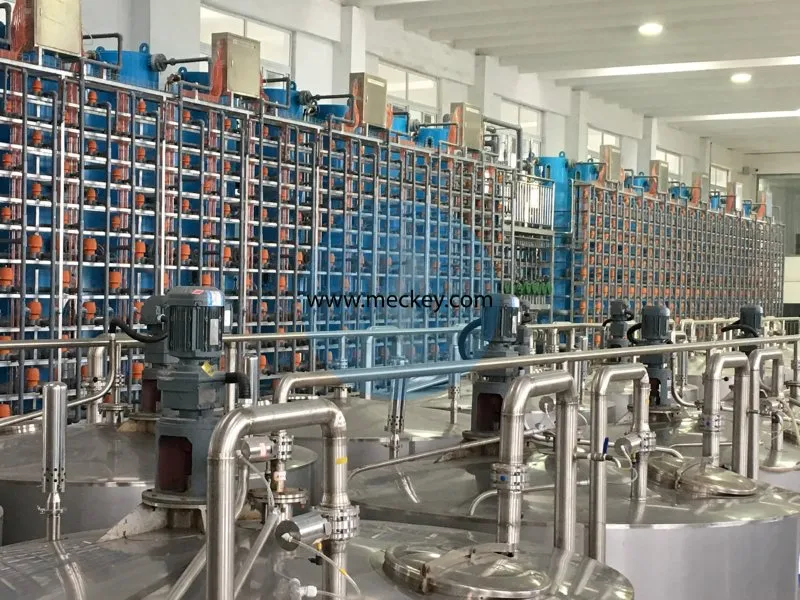
8Ion exchange: Resin systems remove ions like Fe, Mg, Ca, Cl, and SO3 for high purity.
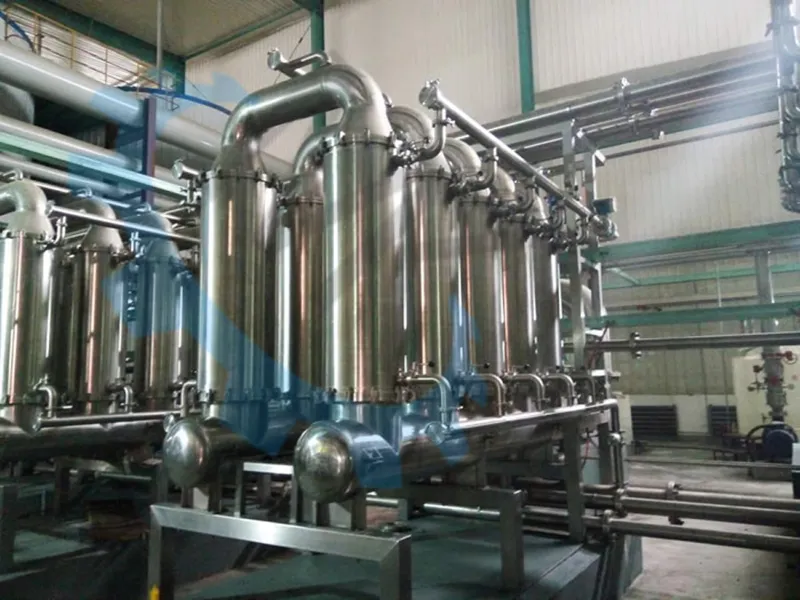
9Concentration: Vacuum evaporation increases solid content for final processing.
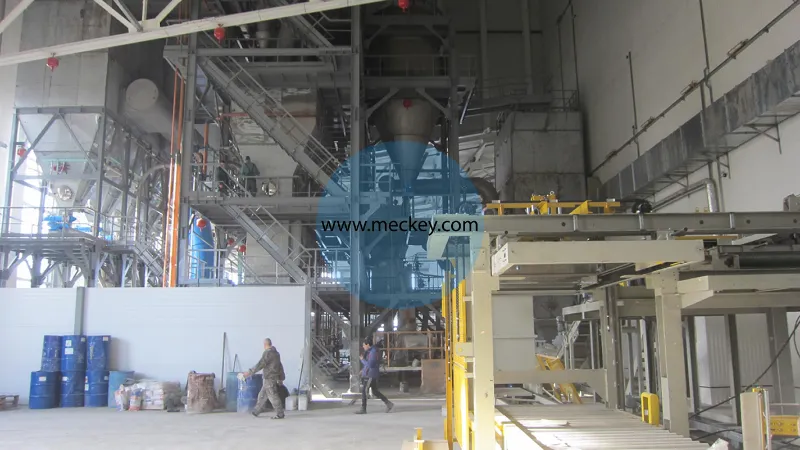
10Separation and drying: Separation into wet crystals and mother liquid, followed by fluid bed drying to final requirements.
❓ Frequently Asked Questions
What are the primary raw materials for lysine production?
The main raw materials include starch, glucose, or molasses, along with auxiliary materials like corn steep liquor (CSL) and various salts.
What is the capacity of this production line?
The production lines are customizable and typically range from 10,000 to 100,000 tons per year (tpy) output.
Which key equipment is included in the turnkey solution?
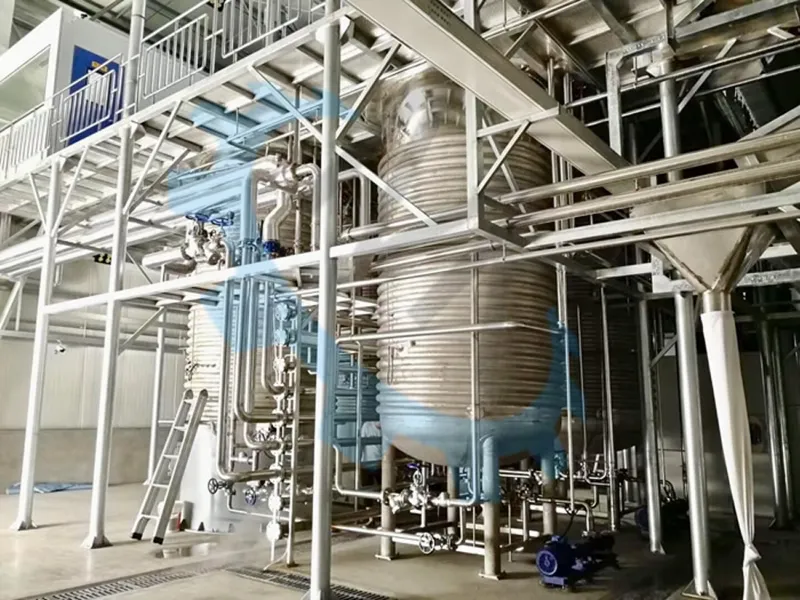
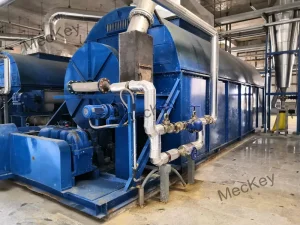
Key components include fermentors, membrane filters, vacuum evaporators, crystallizers, and fluid bed dryers.
How long does the installation of the equipment take?
The typical installation and commissioning timeframe takes between 8 to 12 months depending on the project scale.
Is the final product Lysine Sulphate or HCl?
The production line can be designed to produce either Lysine Sulphate or Lysine HCl based on specific requirements.
What is the automatic grade of the machinery?
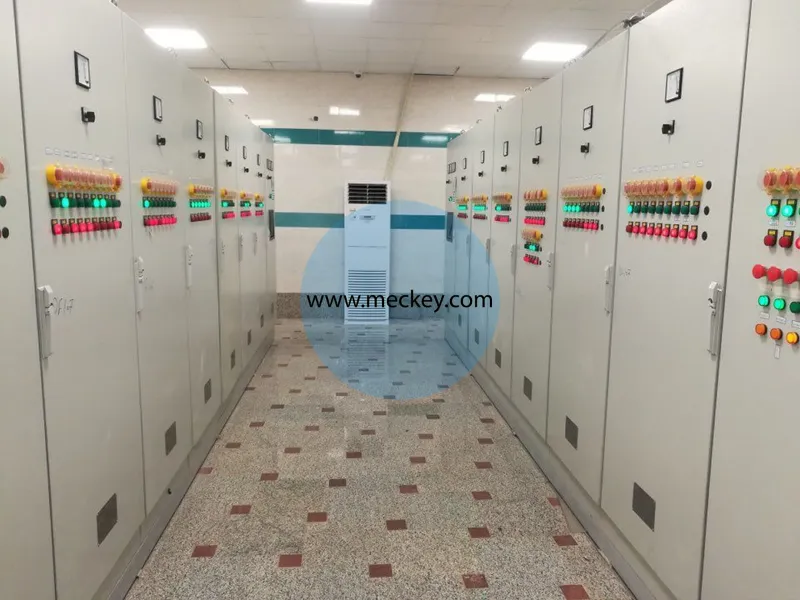
The equipment features a semi-automatic grade, ensuring high precision control over the fermentation and separation processes.
 LG Logistics