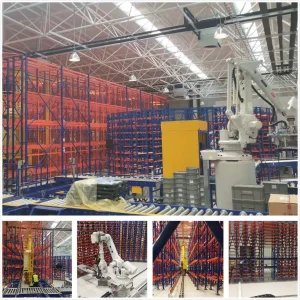
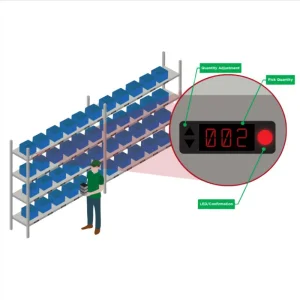
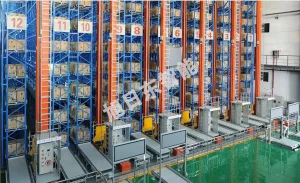
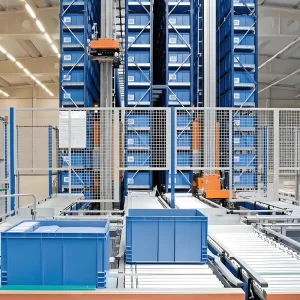
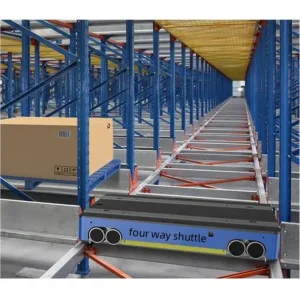
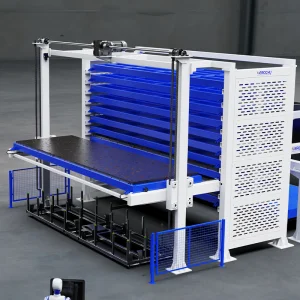
The global Warehouse Management Systems (WMS) market is undergoing a seismic shift, driven by the explosive growth of e-commerce, the demand for rapid order fulfillment, and the transition toward Industry 4.0. As the backbone of modern logistics, a WMS is no longer just a digital ledger of inventory; it is the "brain" of the distribution center, orchestrating complex interactions between human labor, automated robotics, and real-time data analytics.
In today's industrial landscape, WMS providers are evolving to meet the needs of "Dark Warehouses"—facilities where automation handles the majority of tasks. From North America to the Asia-Pacific region, businesses are prioritizing Cloud-based WMS solutions that offer scalability and lower capital expenditure, allowing even small-to-medium enterprises (SMEs) to compete on a global scale.
Predictive analytics for inventory demand and AI-driven path optimization for AGVs (Automated Guided Vehicles) are becoming standard features.
Every pallet, rack, and forklift is becoming a data point. Real-time IoT sensors allow for unprecedented visibility into cargo health and location.
Rapid deployment and seamless updates are pushing the industry away from legacy on-premise installations toward agile Cloud environments.
The integration of Digital Twins is another burgeoning trend. By creating a virtual replica of the physical warehouse, managers can simulate changes in workflow or rack configurations before implementation, drastically reducing downtime and operational risk.
Procurement teams today are not just looking for a software license; they are seeking a strategic partner who can provide turnkey logistics solutions. Key demands include:
With the "Amazon Effect" raising consumer expectations, retailers need WMS that supports omnichannel distribution, high-volume small-order picking, and efficient return management (Reverse Logistics).
Industries dealing with perishables require WMS that can monitor temperature-sensitive zones and provide full traceability for compliance with strict safety regulations.
Just-in-Time (JIT) manufacturing relies on WMS to sync raw material arrivals with production schedules, ensuring zero waste and maximum floor efficiency.
As a leading Chinese industrial hub, Shenzhen represents the pinnacle of hardware-software integration. Choosing a Chinese supplier like Shenzhen LG Logistics offers unique advantages:
Shenzhen LG Logistics Co., Ltd. is a premier provider of comprehensive logistics solutions, specializing in FBA Amazon shipping, air freight, and sea freight services. Operating under its flagship brand LG SwiftLogix, the company has built a reputation for reliability, speed, and efficiency in global e-commerce logistics. Headquartered in Shenzhen, China, LG Logistics leverages its strategic location and advanced supply chain infrastructure to offer seamless shipping solutions for businesses of all sizes.

The company’s service portfolio includes Amazon FBA preparation and labeling, warehouse management, customs clearance, and both air and sea freight options, including LCL (Less than Container Load) and FCL (Full Container Load) shipping. By integrating smart logistics management systems and real-time tracking, Shenzhen LG Logistics ensures that shipments reach their destinations safely, on time, and cost-effectively.
Committed to supporting cross-border e-commerce, the company provides expert consulting for import/export compliance, risk management, and multi-modal transportation strategies. With a focus on customer satisfaction, operational efficiency, and innovative logistics solutions, Shenzhen LG Logistics Co., Ltd. empowers businesses to expand globally with confidence.

Through its dedication to excellence, technology-driven operations, and comprehensive logistics expertise, Shenzhen LG Logistics continues to redefine global supply chain solutions, helping clients optimize delivery, reduce costs, and enhance the overall shipping experience.
 LG Logistics